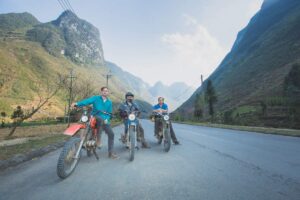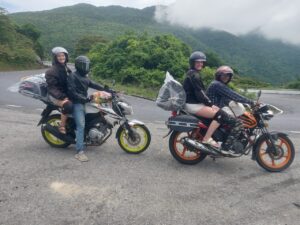

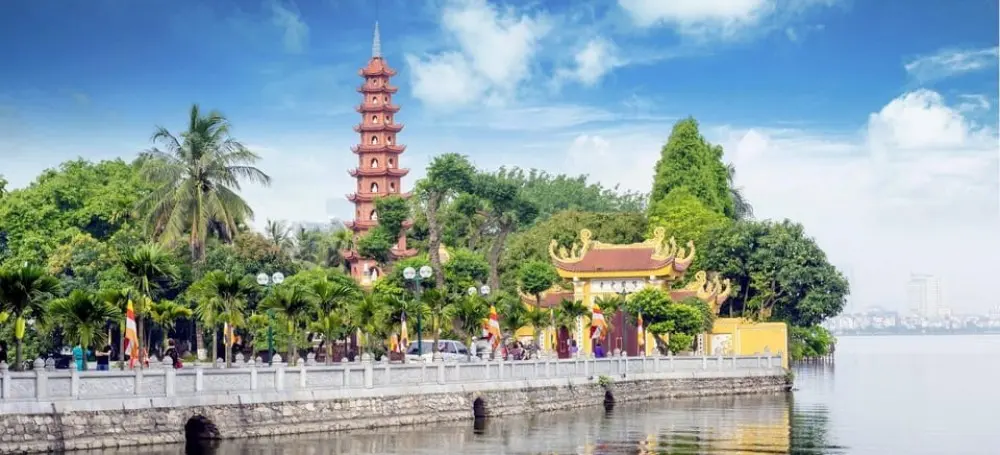
Connecting the Perfume Pagoda, Ninh Binh, and Yen Tu without riding in circles is a challenge. We’ve solved it with this 450km loop—a blend of mountain curves and village backroads designed to minimize backtracking.
Grab our Google Map below. (And if you are riding this during the holiday rush, be sure to consult The Ultimate Guide to Riding Vietnam During Tet).
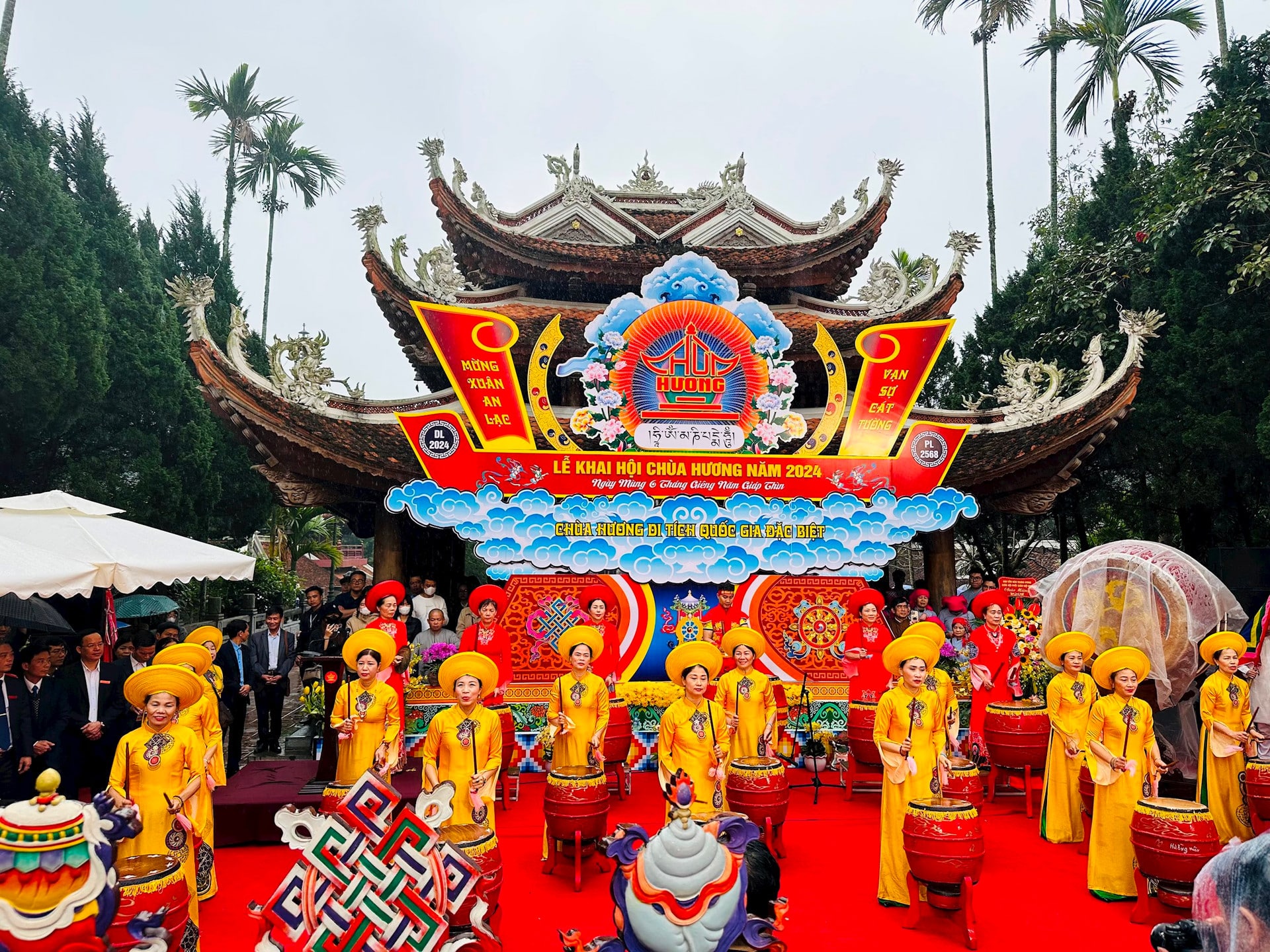
Route: Hanoi → Perfume Pagoda → Ninh Binh
Distance: Approx. 130 km
Riding Time: 3.5 – 4 hours
Morning: Escape the Capital
Start early (6:30 AM) to beat the Hanoi rush hour. Head southwest towards My Duc. The ride is dusty but straightforward. Your goal is the Ben Duc Pier at the Perfume Pagoda.
The Experience: Park the bike (remember: use the official lot!) and hop on a boat. Spend your morning floating down the Yen Stream and hiking up to the Huong Tich Cave. It’s a heavy start to the trip, physically and spiritually.
Lunch: Grab a quick meal of Com Lam (bamboo sticky rice) near the pier before gearing up again.
Afternoon: The Limestone Run
From My Duc, cut cross-country towards Ninh Binh. This is a fun ride. You’ll leave the city sprawl and enter the “Halong Bay on Land” landscape. The roads wind through rice paddies flanked by massive limestone karsts.
The Destination: Aim for Tam Coc or Trang An.
Sunset Goal: If you have the energy, hike the 500 steps up Hang Mua (Mua Cave) for the iconic dragon-spine sunset photo.
Stay: Ninh Binh (plenty of homestays with motorcycle parking).
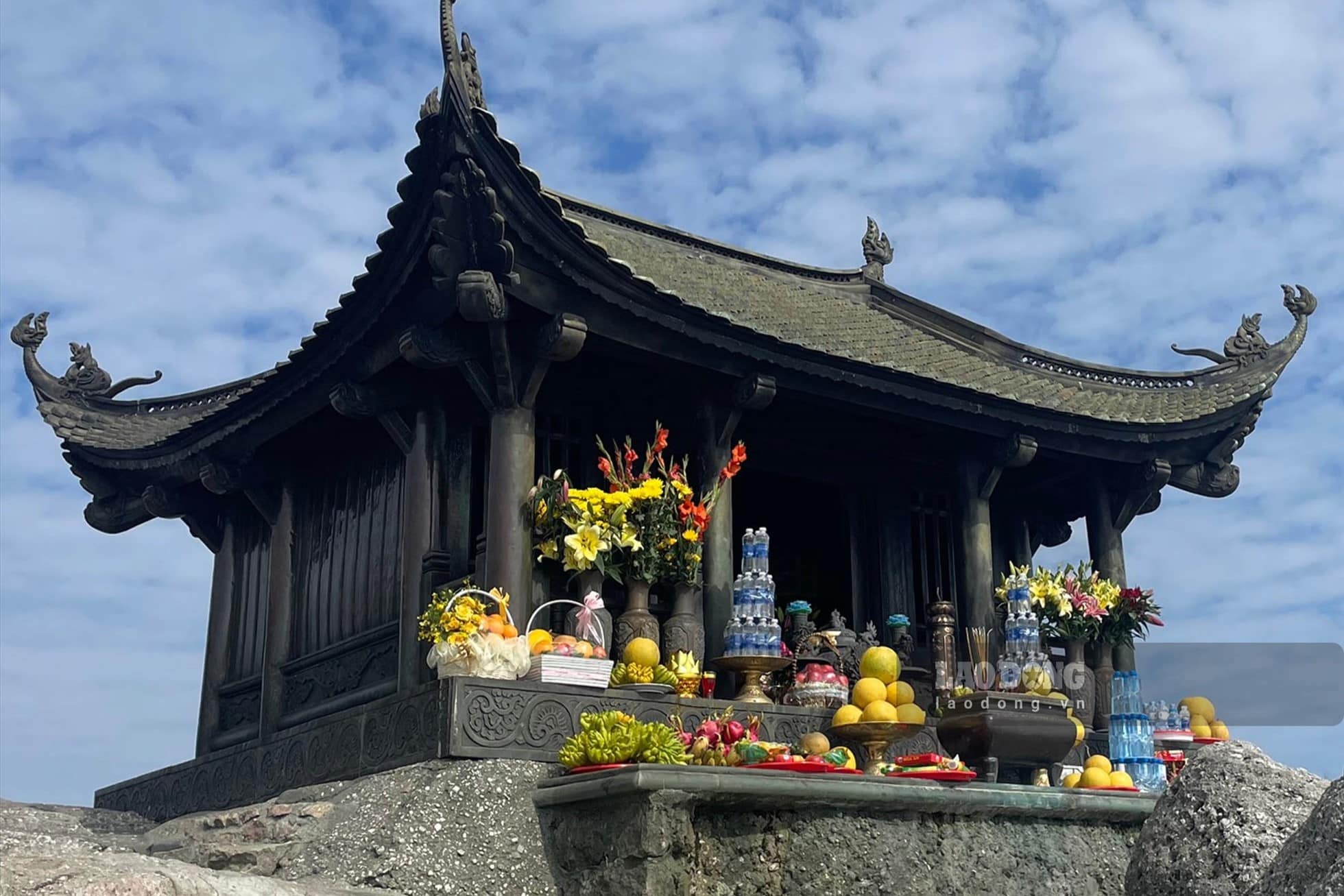
Route: Ninh Binh → Nam Dinh → Thai Binh → Yen Tu Mountain (Uong Bi)
Distance: Approx. 170 km
Riding Time: 4 – 5 hours
Morning: The Flatlands
This is your “transport” morning. You are crossing the Red River Delta via QL10. It’s not the most scenic ride—mostly flat highways passing through the provinces of Nam Dinh and Thai Binh—but it offers a fascinating look at the agricultural heart of Vietnam.
Rider Tip: Watch your speed in the towns; police traps are common on QL10. Keep an eye out for the massive cathedrals that dot the Nam Dinh countryside—they are unique to this region.
Afternoon: The Ascent
As you approach Uong Bi (Quang Ninh), the flat horizon suddenly erupts into mountains. You have arrived at the Yen Tu range.
The Ride: The final 15km from the highway to the Yen Tu base is pure joy—smooth tarmac, sweeping curves, and pine trees.
The Activity: Check into your hotel at the mountain base. If you arrive by 2:00 PM, take the cable car up to the Bronze Pagoda immediately to catch the late afternoon light. The vibe here is drastically different from the morning’s highway chaos—quiet, cool, and solemn.
Stay: Yen Tu Village (Legacy Yen Tu for luxury, or guesthouses in the surrounding village).
Route: Yen Tu → Bac Ninh → Hanoi
Distance: Approx. 130 km
Riding Time: 3 hours
Morning: Cloud Hunting
Wake up early. If you didn’t summit yesterday, do it now. The morning mist at Yen Tu (“The Cloud Walk”) is mystical. It feels like you are standing on the roof of Northern Vietnam.
Mid-Day: The Cultural Interlude
Ride west back towards Hanoi via Bac Ninh. This is the cradle of Northern culture.
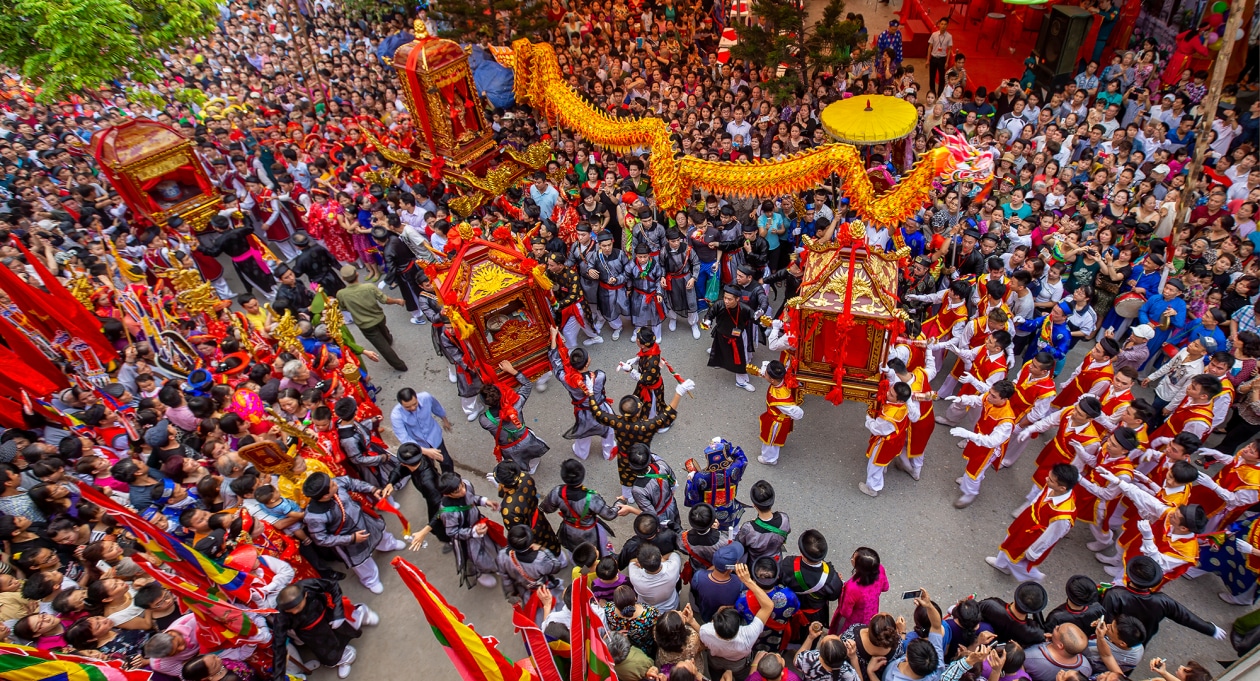
The Stop: If it is the 12th or 13th of the Lunar New Year, stop at the Lim Festival to hear the Quan Ho folk singing.
Alternative: If the festival isn’t on, stop at the Do Temple (Den Do), dedicated to the Ly Dynasty kings. It’s a peaceful, grand complex that makes for a perfect rest stop.
Afternoon: The Final Leg
The ride from Bac Ninh back to Hanoi is short (about 40 minutes) but intense as you re-enter the capital’s orbit. You’ll cross the Red River bridges, seeing the city skyline emerge from the smog.
Finish Line: You’ll be back in the Old Quarter by late afternoon, just in time for a Bia Hoi to celebrate closing the loop.
You can use this Google Map to help you with the route.
For a mid-range experience, budget approximately 2.5 – 3.5 million VND ($100 – $140 USD) per person. This includes:
Bike Rental: ~250k VND/day for a quality semi-automatic or manual bike.
Accommodation: ~500k VND/night for decent homestays or 3-star hotels in Ninh Binh and Yen Tu.
Fuel & Tickets: ~500k VND total (including the Yen Tu cable car and Trang An boat tickets).
Food: ~300k VND/day for local meals.
The best choice is a 150cc semi-automatic (like the Honda Winner X or Yamaha Exciter) or a manual motorcycle (like the Honda XR150).
Why? While the route to Ninh Binh is flat, the approach to Yen Tu involves inclines where a standard 110cc automatic scooter might struggle, especially with luggage or a pillion.
Terrain: This loop combines highway speeds (needing stability) with village roads (needing maneuverability). Larger wheels are safer on the potentially damp “Nom” season roads than small scooter wheels.
This is a moderate difficulty route, best suited for riders with some experience.
The Challenge: It is not the terrain that is difficult (mostly paved), but the traffic density. Exiting and entering Hanoi requires high situational awareness. The QL10 highway between Ninh Binh and Yen Tu sees heavy truck and bus traffic.
Advice: If you are a complete beginner, consider booking a “pillion tour” where a local guide drives while you sit on the back, or stick to exploring just the Ninh Binh area which has quieter backroads.
Yes, traffic police are active on QL1A (to Ninh Binh) and QL10/QL18 (to Yen Tu/Halong).
What they check: Speeding is the most common infraction (stick to the posted limits!). Recently, checkpoints specifically targeting foreigners for International Driving Permits (IDP) have increased.
Requirement: Ensure you hold a valid motorcycle license from your home country AND a 1968 Convention IDP to be fully legal.
Pros: This aligns with the festival season (Tet, Yen Tu Festival, Lim Festival), meaning the culture is at its peak. The temperatures are cool (18°C – 24°C), perfect for riding gear.
Cons: This is the “Nom” season, so expect grey skies, high humidity, and light drizzle.
Alternative: If you dislike damp weather and crowds, ride this loop in October or November for drier skies and golden harvest colors, though you will miss the specific festival atmosphere.
Total Distance: ~450km
Difficulty: Moderate (Day 2 is a long haul).
Best Bike: A 150cc semi-automatic (like a Honda Winner or Yamaha Exciter) is perfect for the mix of highway and mountain roads.
Must-Have: Rain gear (for the “Nom” weather) and a good phone mount for navigation.
Ready to ride?
This loop offers the perfect balance: Day 1 is for scenery, Day 2 is for endurance, and Day 3 is for culture.
Safe travels!
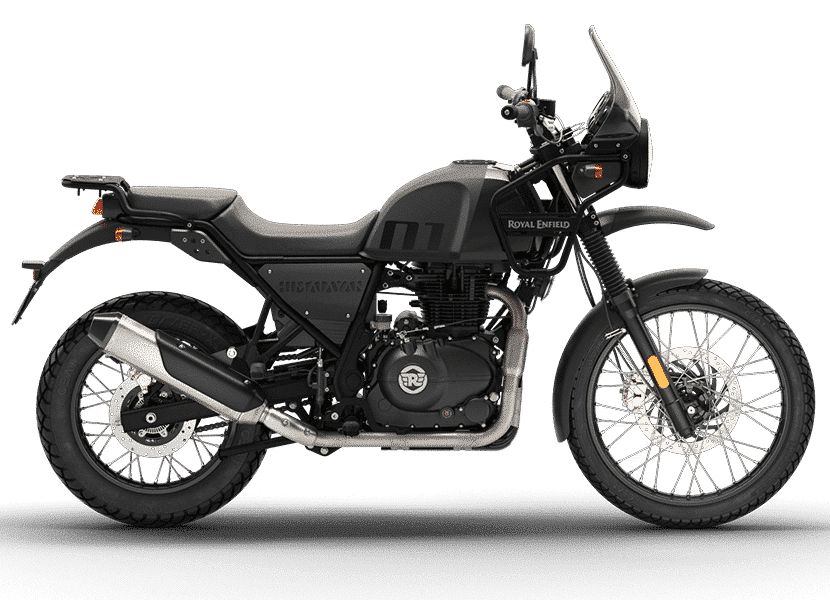
Engine Type
air-cooled, single cylinder, SOHC
Displacement
411 cc
Bore X Stroke
78 mm x 86 mm
Ignition
TCI
Fuel System
fuel injection
Compression Ratio
9.5:1
Starter
electric
Gearbox
5-speed
Front Suspension
telescopic forks; stanchion diameter 41 mm
Rear Suspension
linkage-type monoshock
Front Brakes
single disc brake, diameter 300 mm, 2-piston floating caliper
Rear Brakes
single disc brake, diameter 240 mm, single-piston floating caliper
Front Tyres
90/90 – 21
Rear Tyres
120/90 – 17
Wheelbase
1465 mm
Seat Height
800 mm
Ground Clearance
220 mm
Kerb Weight
199 kg
Fuel Capacity
15 litres
Dimensions
2190 mm (L) x 840 mm (W) x 1360 mm (H)
Daily
Total
Rider (CRF 300)
$220
Pillion
$120
Damage Waiver
$20
Private Room
$40
Support Vehicle*
$150
* All prices given are in USD and apply per rider except for the support vehicle. The support vehicle is free for groups of 7 or more, otherwise the cost is shared across the group.
Daily
Total
Rider (XR 150)
Rider (CRF 300)
Rider (CB 500X)
Rider (Himalayan 400)
$220
Rider (GS 1250)
Pillion
$120
Damage Waiver
$20
Private Room
$40
Support Vehicle*
$150
* All prices given are in USD and apply per rider except for the support vehicle. The support vehicle is free for groups of 7 or more, otherwise the cost is shared across the group.
Daily
Total
Jeep (1 PAX)
$210
Jeep (2 PAX)
$120
Jeep (3 PAX)
$90
Jeep (4+ PAX)
$80
Rider (Easy Rider)
$115
Rider (Self-Drive)
$105
Private Room
$15
* Our jeep tour prices operate on a sliding scale. The larger your group, the less each person pays—each member of your group will pay the lowest daily rate shown. For example, if you have a group of 4 or more, you will each only pay $80/day. All prices are given in USD.
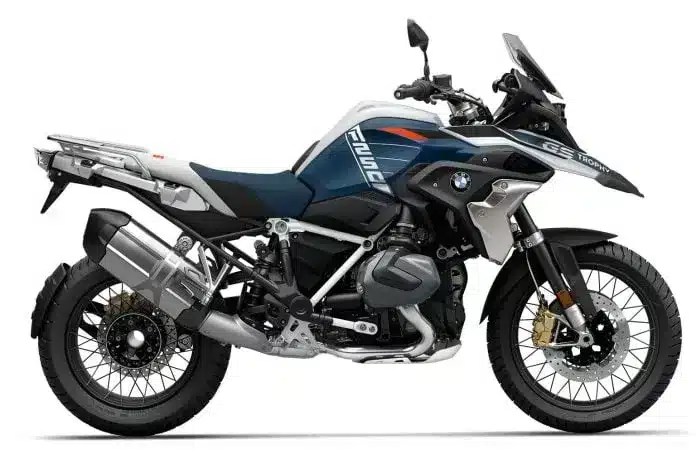
Engine Type
air-liquid cooled, twin cylinder, DOHC, boxer engine
Displacement
1255 cc
Bore X Stroke
102.5 mm x 76 mm
Ignition
FI
Fuel System
fuel injection
Compression Ratio
12.5:1
Starter
electric
Gearbox
6-speed
Front Suspension
BMW Motorrad Telelever; stanchion diameter 37 mm
Rear Suspension
single-sided swing arm with BMW Motorrad Paralever
Front Brakes
dual disc brake, floating brake discs, diameter 305 mm, 4-piston radial calipers
Rear Brakes
single disc brake, diameter 276 mm, double-piston floating caliper
Front Tyres
120/70 R19
Rear Tyres
170/60 R17
Wheelbase
1514 mm
Seat Height
850 mm
Ground Clearance
790 mm
Kerb Weight
249 kg
Fuel Capacity
20 litres
Dimensions
2207 mm (L) x 952.5mm (W) x 1430 mm (H)
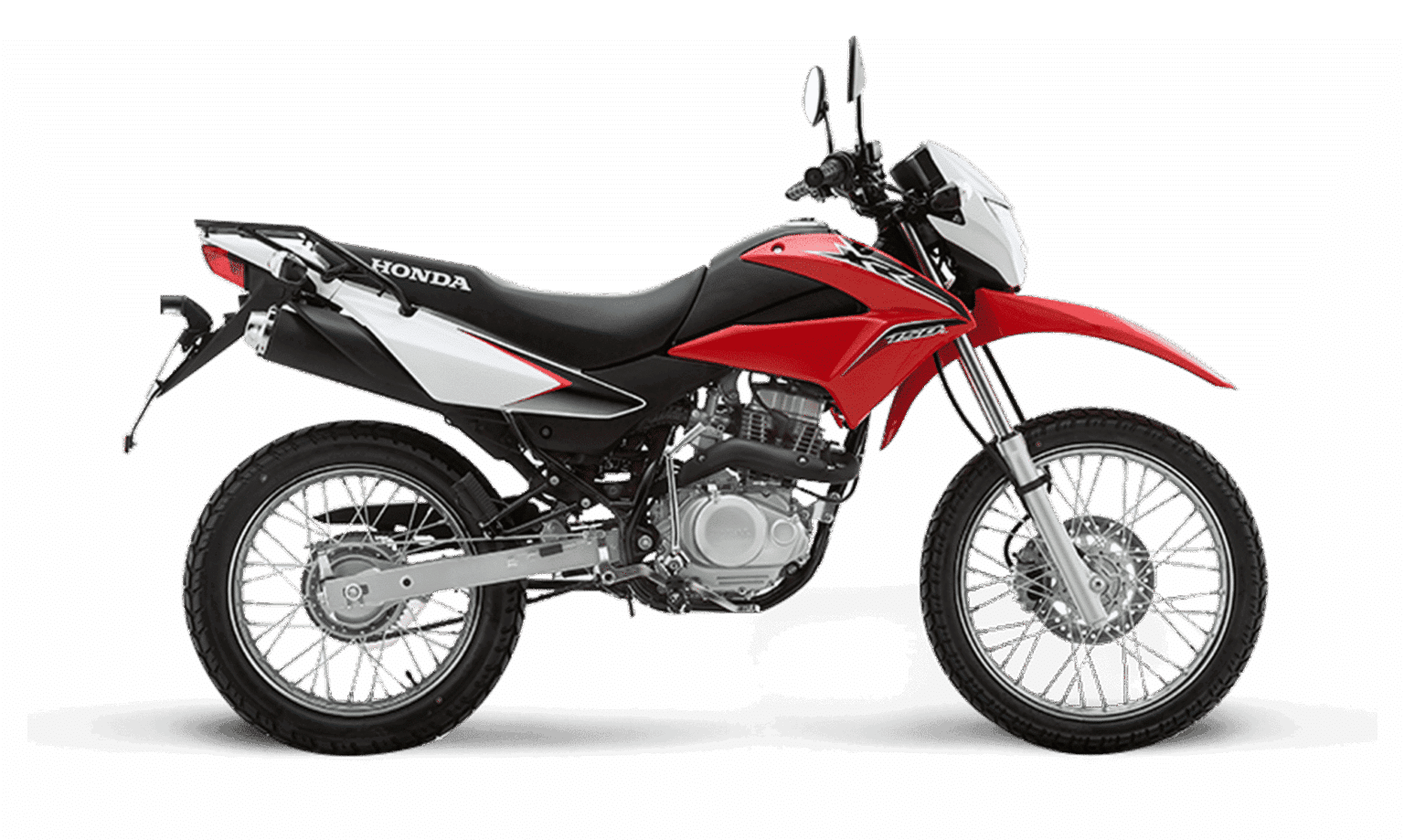
Engine Type
air cooled, OHC, single cylinder
Displacement
149 cc
Bore X Stroke
57.3 mm x 57.8 mm
Ignition
CDI
Fuel System
20 mm piston valve carburettor
Compression Ratio
9.5:1
Starter
electric with kick starter backup
Gearbox
5-speed
Front Suspension
telescopic fork, 180 mm axle travel
Rear Suspension
single shock swing arm, 150 mm axle travel
Front Brakes
dual piston caliper, 240 mm disc
Rear Brakes
mechanical drum
Front Tyres
90/90 19
Rear Tyres
110/90 17
Wheelbase
1362 mm
Seat Height
825 mm
Ground Clearance
243 mm
Kerb Weight
129 kg
Fuel Capacity
12 litres
Dimensions
2091 mm (L) x 811 mm (W) x 1125 mm (H)
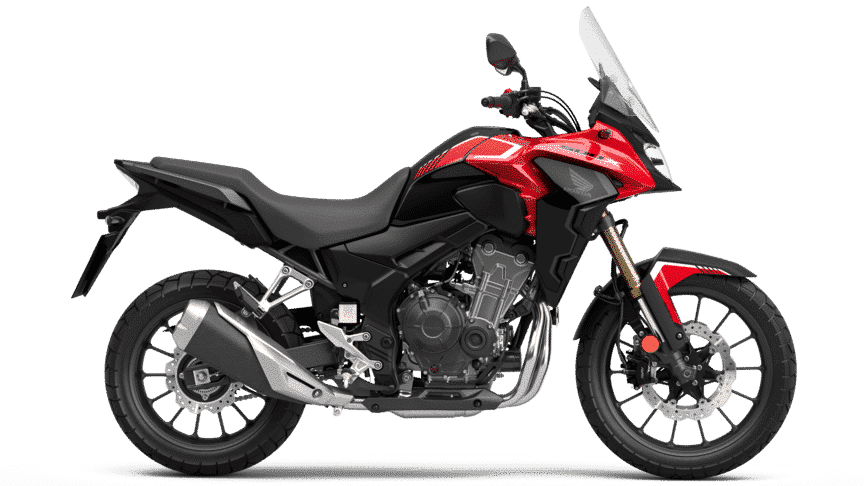
Engine Type
liquid cooled parallel-twin four stroke
Displacement
470 cc
Bore X Stroke
67 mm x 66.8 mm
Ignition
PGMI – FI
Fuel System
fuel injection
Compression Ratio
10.7:1
Starter
electric
Gearbox
6-speed
Front Suspension
41 mm SFF-BP USD Forks
Rear Suspension
Prolink Mono with 5 stage pre load adjuster
Front Brakes
dual 296 mm discs with 4 piston calipers; ABS
Rear Brakes
240 mm disc; ABS
Front Tyres
110/80R19M/C (59H)
Rear Tyres
160/60R17M/C
Wheelbase
1445 mm
Seat Height
830 mm
Ground Clearance
180 mm
Kerb Weight
199 kg
Fuel Capacity
17.7 litres
Dimensions
2,155 mm (L) x 830 mm (W) x 1,410 mm (H)
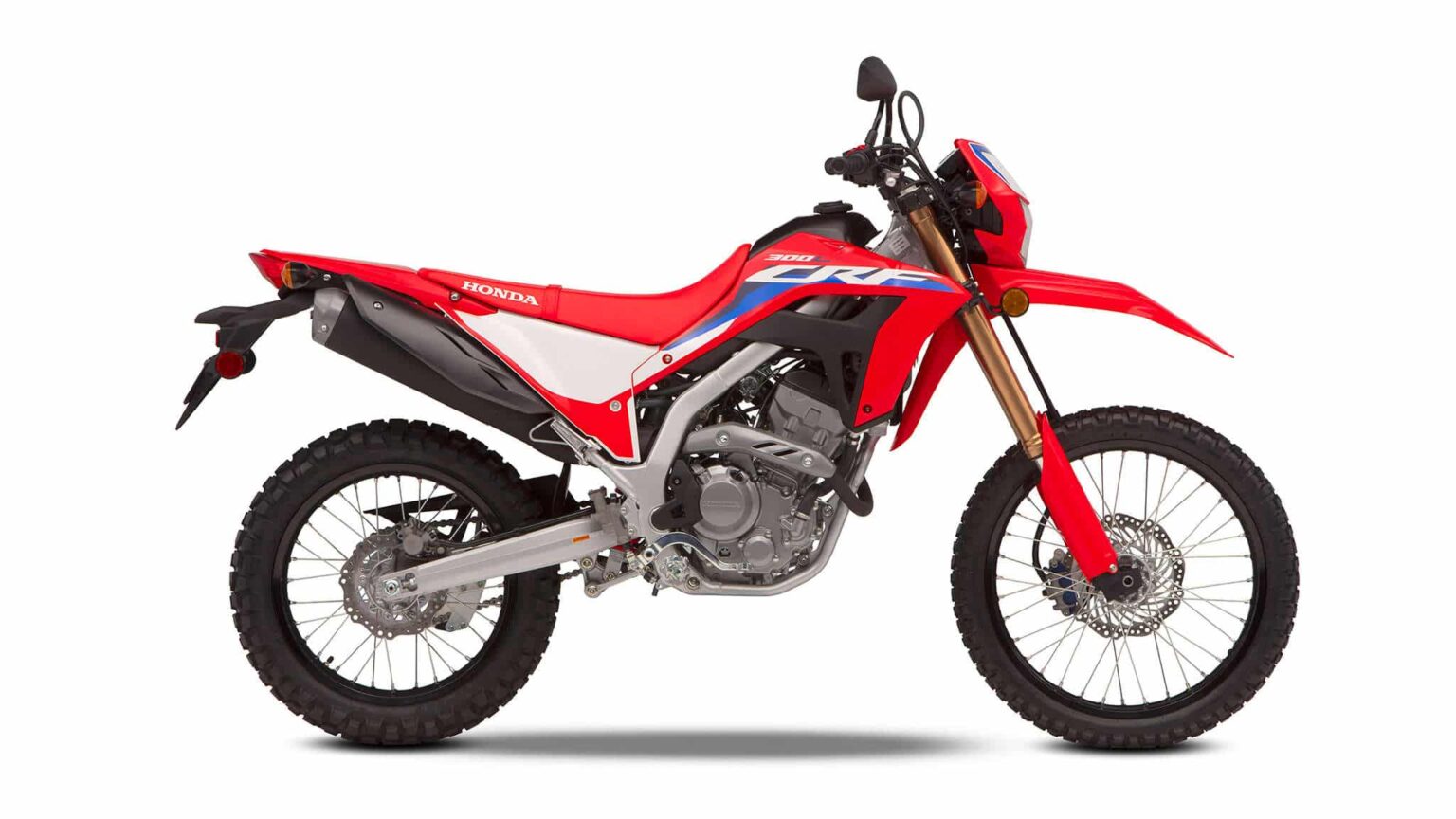
Engine Type
single cylinder, DOHC, liquid cooled
Displacement
286 cc
Bore X Stroke
76 mm x 63 mm
Ignition
Full Transistor Digital
Fuel System
PGM-FI electronic fuel injection
Compression Ratio
10.7:1
Starter
electric
Gearbox
5-speed
Front Suspension
43 mm telescopic upside down
Rear Suspension
Prolink Mono with 5 stage pre load adjuster
Front Brakes
Rear Brakes
220 mm disc, single piston caliper
Front Tyres
80/100 21
Rear Tyres
120/80 18
Wheelbase
1455 mm
Seat Height
880 mm
Ground Clearance
285 mm
Kerb Weight
142 kg
Fuel Capacity
7.8 litres
Dimensions
2230 mm (L) x 820 mm (W) x 1200 mm (H)