
If you’ve spent any time on the streets of Vietnam, you’ll know that the vehicle horn isn’t just an accessory—it’s an integral part of the communication system. Far from being a sign of aggression or impatience (as it often is in many Western countries), the horn in Vietnam is a vital tool for announcing your presence, signaling intentions, and navigating the organized chaos of the roads. Understanding its nuances is key to safely and smoothly moving through Vietnamese traffic.
To understand why honking is so prevalent, you need to appreciate the unique nature of Vietnamese traffic. It’s a dense, fluid, and highly interactive environment, especially in urban centers.
Cultural Acceptance: This consistent communication through sound has become an accepted and expected part of the driving experience. A lack of honking might even be interpreted as a lack of awareness.
Here are the most common scenarios where a horn blast is not just appropriate, but often expected:

Ready for ultimate freedom? Our one-way rentals let you blaze your own trail across Vietnam — no need to loop back!
✅ Pick up/drop off in Hanoi, Danang, or Ho Chi Minh City
✅ Explore Vietnam at your pace
✅ No backtracking—just pure, open-road freedom
While honking is common, there are subtle exceptions:
A communicative honk is a short, anticipatory “beep-beep” used to signal presence and intent. It is a proactive safety measure. An aggressive honk, which could be described as a long, continuous blast, or a series of short, fast honks is used to express frustration or impatience after a near-miss or a blockage. This type of honking is less common and is generally considered rude.
In addition to the horn, drivers often use a combination of hand signals and head movements to communicate. A quick glance or a wave can signal “go ahead” or “thank you,” and flashing headlights can be used to warn of an impending pass, especially at night. The honk is the primary auditory signal, but it is part of a larger, non-verbal communication system. It is interesting to note, that indicators are not the preferred method of communication.
Pedestrians and cyclists are quite used to the soundscape. They generally do not find a short honk as aggressive. Instead, they interpret it as a non-threatening signal to “be aware, a vehicle is nearby.” or “Hello, I am here.” They will often glance back to locate the vehicle and adjust their path accordingly, viewing the honk as a helpful cue for safe navigation.
Larger vehicles such as buses and trucks often have deeper, louder horns that are more sustained to ensure they are heard over other traffic noise. This immediately communicates the presence of a larger vehicle, signaling to smaller motorbikes and pedestrians to be extra cautious and yield space. Might has right, for better or worse and arguing right of way from a hospital bed never helped anyone.
A tourist who avoids honking might be perceived as either inexperienced or unaware of their surroundings. This lack of communication could increase the risk of an accident, as other drivers rely on honks to anticipate movement and confirm positions. Not honking can be seen as being “absent” in the traffic ecosystem. If this is your strategy, then you should drive very slowly and cautiously to make up for this “absence”.
In essence, the horn in Vietnam is not a weapon, but a voice. It’s how drivers communicate their position and intentions in a busy environment. By learning its language, you’ll not only ride or drive more safely, but you’ll also gain a deeper appreciation for the fascinating, dynamic rhythm of Vietnamese roads.
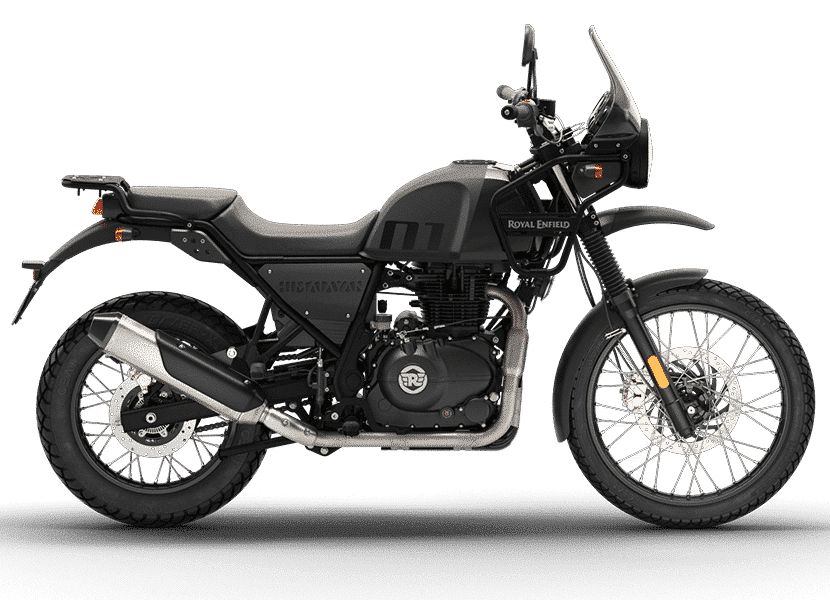
Engine Type
air-cooled, single cylinder, SOHC
Displacement
411 cc
Bore X Stroke
78 mm x 86 mm
Ignition
TCI
Fuel System
fuel injection
Compression Ratio
9.5:1
Starter
electric
Gearbox
5-speed
Front Suspension
telescopic forks; stanchion diameter 41 mm
Rear Suspension
linkage-type monoshock
Front Brakes
single disc brake, diameter 300 mm, 2-piston floating caliper
Rear Brakes
single disc brake, diameter 240 mm, single-piston floating caliper
Front Tyres
90/90 – 21
Rear Tyres
120/90 – 17
Wheelbase
1465 mm
Seat Height
800 mm
Ground Clearance
220 mm
Kerb Weight
199 kg
Fuel Capacity
15 litres
Dimensions
2190 mm (L) x 840 mm (W) x 1360 mm (H)
Daily
Total
Rider (CRF 300)
$220
Pillion
$120
Damage Waiver
$20
Private Room
$40
Support Vehicle*
$150
* All prices given are in USD and apply per rider except for the support vehicle. The support vehicle is free for groups of 7 or more, otherwise the cost is shared across the group.
Daily
Total
Rider (XR 150)
Rider (CRF 300)
Rider (CB 500X)
Rider (Himalayan 400)
$220
Rider (GS 1250)
Pillion
$120
Damage Waiver
$20
Private Room
$40
Support Vehicle*
$150
* All prices given are in USD and apply per rider except for the support vehicle. The support vehicle is free for groups of 7 or more, otherwise the cost is shared across the group.
Daily
Total
Jeep (1 PAX)
$210
Jeep (2 PAX)
$120
Jeep (3 PAX)
$90
Jeep (4+ PAX)
$80
Rider (Easy Rider)
$115
Rider (Self-Drive)
$105
Private Room
$15
* Our jeep tour prices operate on a sliding scale. The larger your group, the less each person pays—each member of your group will pay the lowest daily rate shown. For example, if you have a group of 4 or more, you will each only pay $80/day. All prices are given in USD.
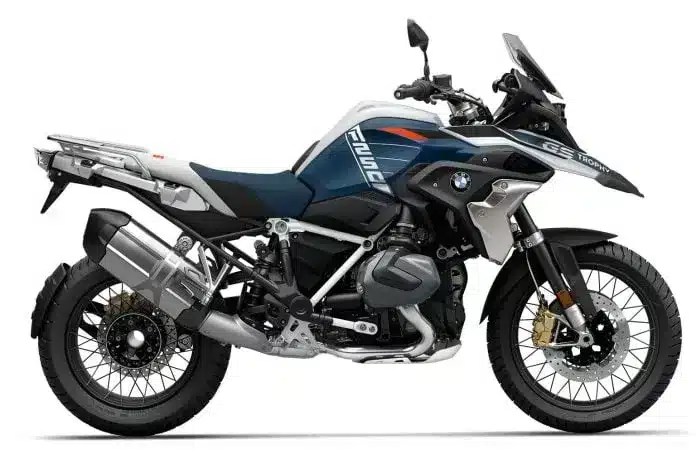
Engine Type
air-liquid cooled, twin cylinder, DOHC, boxer engine
Displacement
1255 cc
Bore X Stroke
102.5 mm x 76 mm
Ignition
FI
Fuel System
fuel injection
Compression Ratio
12.5:1
Starter
electric
Gearbox
6-speed
Front Suspension
BMW Motorrad Telelever; stanchion diameter 37 mm
Rear Suspension
single-sided swing arm with BMW Motorrad Paralever
Front Brakes
dual disc brake, floating brake discs, diameter 305 mm, 4-piston radial calipers
Rear Brakes
single disc brake, diameter 276 mm, double-piston floating caliper
Front Tyres
120/70 R19
Rear Tyres
170/60 R17
Wheelbase
1514 mm
Seat Height
850 mm
Ground Clearance
790 mm
Kerb Weight
249 kg
Fuel Capacity
20 litres
Dimensions
2207 mm (L) x 952.5mm (W) x 1430 mm (H)
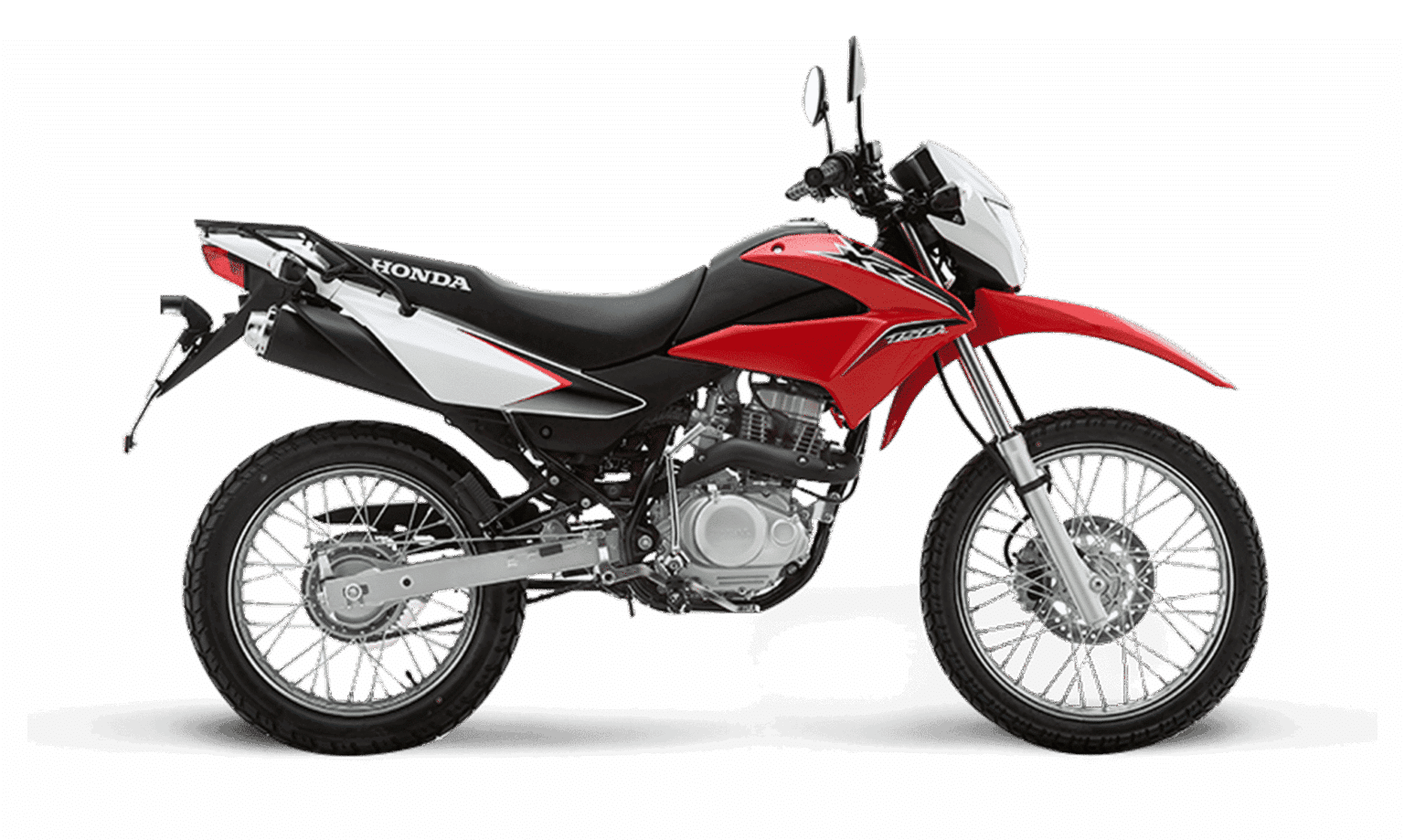
Engine Type
air cooled, OHC, single cylinder
Displacement
149 cc
Bore X Stroke
57.3 mm x 57.8 mm
Ignition
CDI
Fuel System
20 mm piston valve carburettor
Compression Ratio
9.5:1
Starter
electric with kick starter backup
Gearbox
5-speed
Front Suspension
telescopic fork, 180 mm axle travel
Rear Suspension
single shock swing arm, 150 mm axle travel
Front Brakes
dual piston caliper, 240 mm disc
Rear Brakes
mechanical drum
Front Tyres
90/90 19
Rear Tyres
110/90 17
Wheelbase
1362 mm
Seat Height
825 mm
Ground Clearance
243 mm
Kerb Weight
129 kg
Fuel Capacity
12 litres
Dimensions
2091 mm (L) x 811 mm (W) x 1125 mm (H)
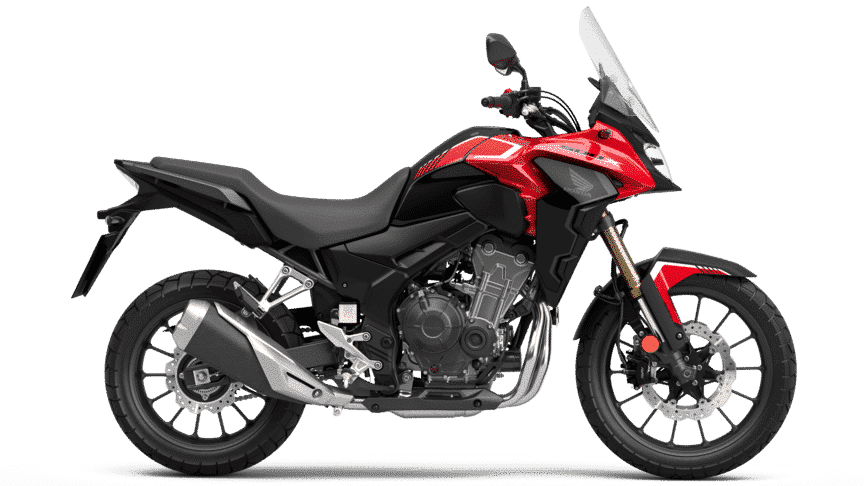
Engine Type
liquid cooled parallel-twin four stroke
Displacement
470 cc
Bore X Stroke
67 mm x 66.8 mm
Ignition
PGMI – FI
Fuel System
fuel injection
Compression Ratio
10.7:1
Starter
electric
Gearbox
6-speed
Front Suspension
41 mm SFF-BP USD Forks
Rear Suspension
Prolink Mono with 5 stage pre load adjuster
Front Brakes
dual 296 mm discs with 4 piston calipers; ABS
Rear Brakes
240 mm disc; ABS
Front Tyres
110/80R19M/C (59H)
Rear Tyres
160/60R17M/C
Wheelbase
1445 mm
Seat Height
830 mm
Ground Clearance
180 mm
Kerb Weight
199 kg
Fuel Capacity
17.7 litres
Dimensions
2,155 mm (L) x 830 mm (W) x 1,410 mm (H)
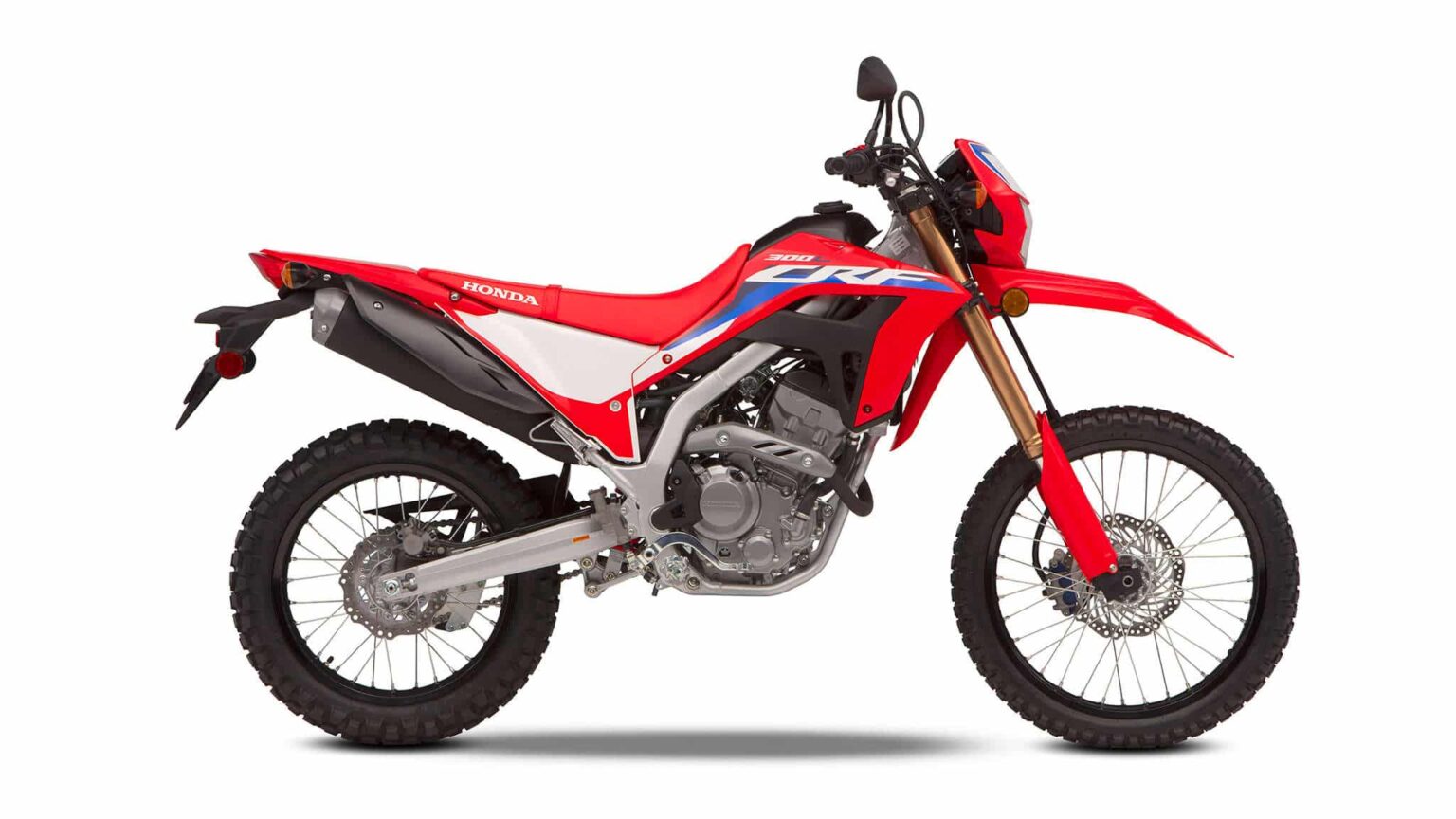
Engine Type
single cylinder, DOHC, liquid cooled
Displacement
286 cc
Bore X Stroke
76 mm x 63 mm
Ignition
Full Transistor Digital
Fuel System
PGM-FI electronic fuel injection
Compression Ratio
10.7:1
Starter
electric
Gearbox
5-speed
Front Suspension
43 mm telescopic upside down
Rear Suspension
Prolink Mono with 5 stage pre load adjuster
Front Brakes
Rear Brakes
220 mm disc, single piston caliper
Front Tyres
80/100 21
Rear Tyres
120/80 18
Wheelbase
1455 mm
Seat Height
880 mm
Ground Clearance
285 mm
Kerb Weight
142 kg
Fuel Capacity
7.8 litres
Dimensions
2230 mm (L) x 820 mm (W) x 1200 mm (H)