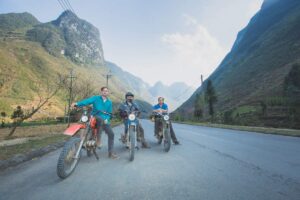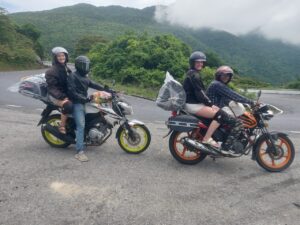

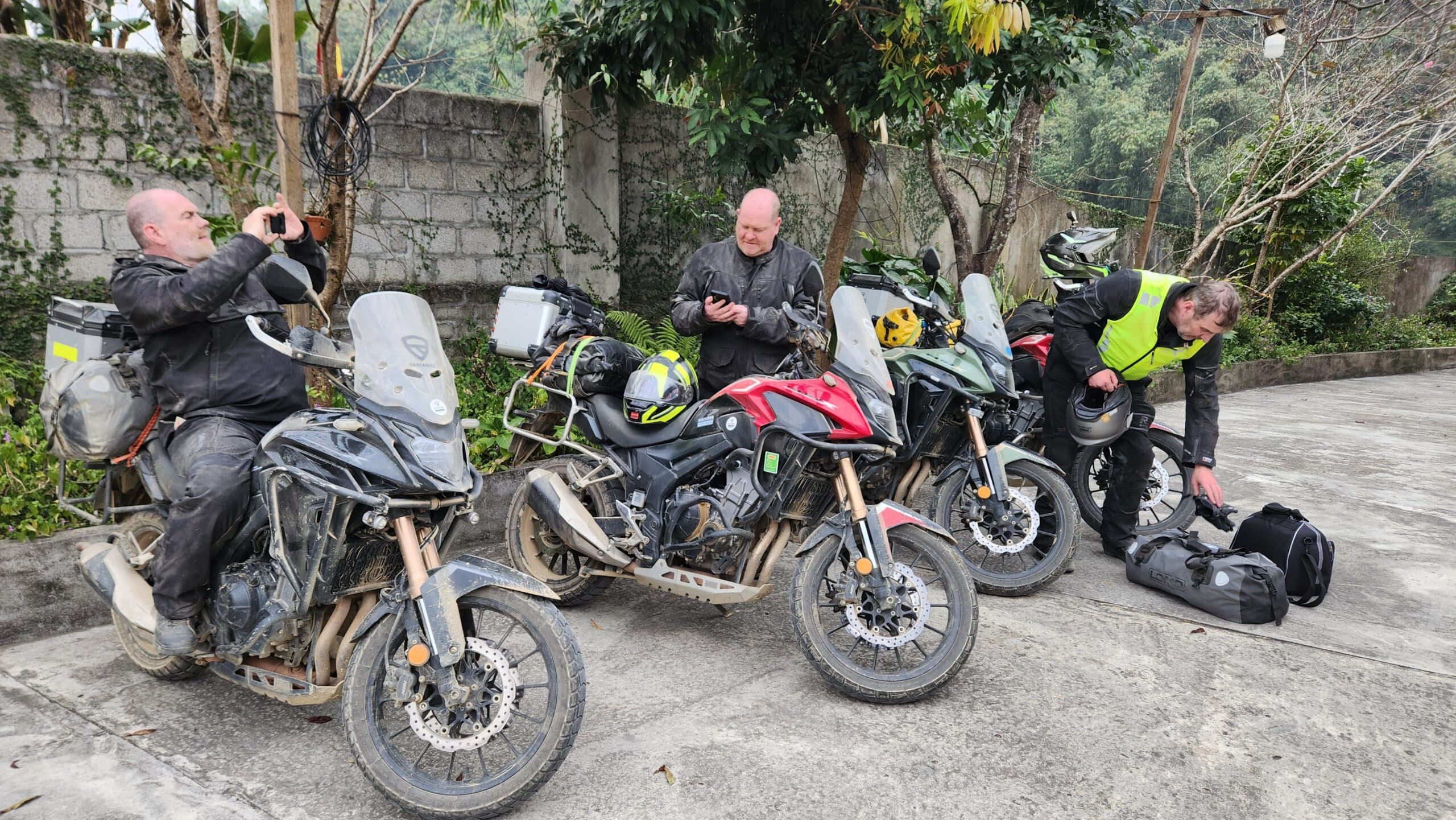
In our previous guide on Compulsory Third-Party Liability (CTPL) , we established a harsh reality: the yellow insurance paper the Vietnamese traffic police require does absolutely nothing to cover your medical bills if you crash.
If you go over the handlebars on the Ha Giang Loop and break a collarbone, paying for the hospital bed, the surgery, and the potential medical evacuation back home falls entirely on your travel medical insurance.
Every week at Rentabike Vietnam, riders walk through our doors holding premium policies from World Nomads, Allianz, or SafetyWing, completely confident they are covered. But after 25 years of seeing how the system actually operates, I have to deliver the bad news: A premium insurance policy is worthless if you are riding illegally, and the vast majority of tourists in Vietnam are riding illegally without realizing it.
Read the fine print of any travel medical insurance policy covering motorcycle touring. You will find a clause that explicitly states your coverage is only valid if you are operating the vehicle legally according to the laws of the country you are visiting.
To ride a motorcycle legally in Vietnam as a foreigner, you need two things:
It is that second requirement that usually triggers the catch-22.
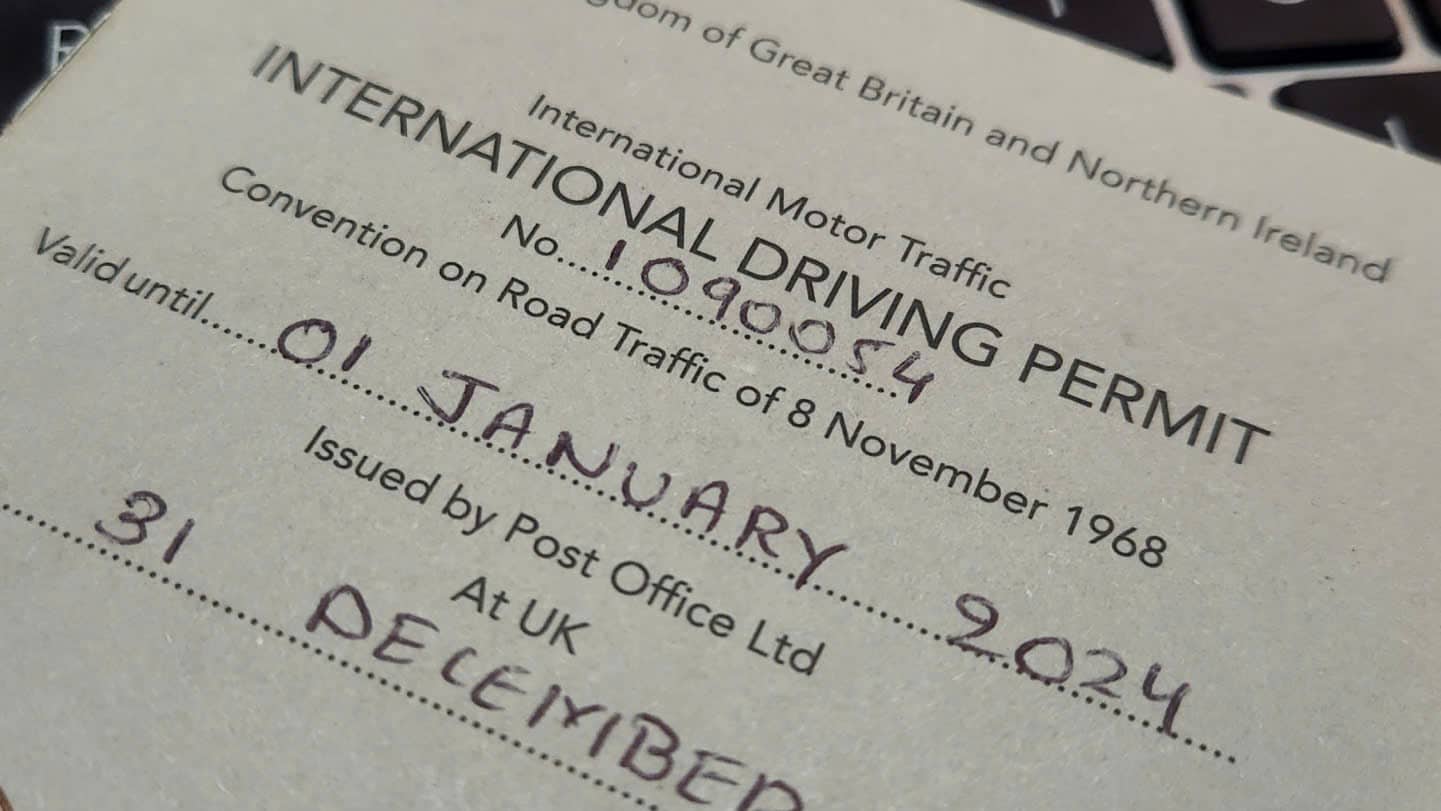
Vietnam does not recognize all International Driving Permits. The country is a signatory to the 1968 Vienna Convention on Road Traffic. Therefore, Vietnamese law only recognizes IDPs issued under this specific 1968 treaty.
If your home country signed the older 1949 Geneva Convention, your IDP is a legally worthless piece of paper in Vietnam.
If you are an Australian, Canadian, or American rider, amongst others, who crashes in Vietnam, your insurance company will assign an adjuster to your claim. They will ask for the local police report and your driving credentials. The moment they see a 1949 IDP (or no IDP at all), they will point to the “illegal operation” clause in your contract and deny your medical claim entirely.
You will be left paying out-of-pocket for everything. This could mean: damage to you and your bike, as well as damage to the third party and their vehicle. This may include Medivac for you or a 3rd party and transportation fees to move any damaged vehicle. Then, of course, you will likely have to pay fines for riding illegally.

If you are from a 1949 Convention country, the legal pathways are incredibly narrow.
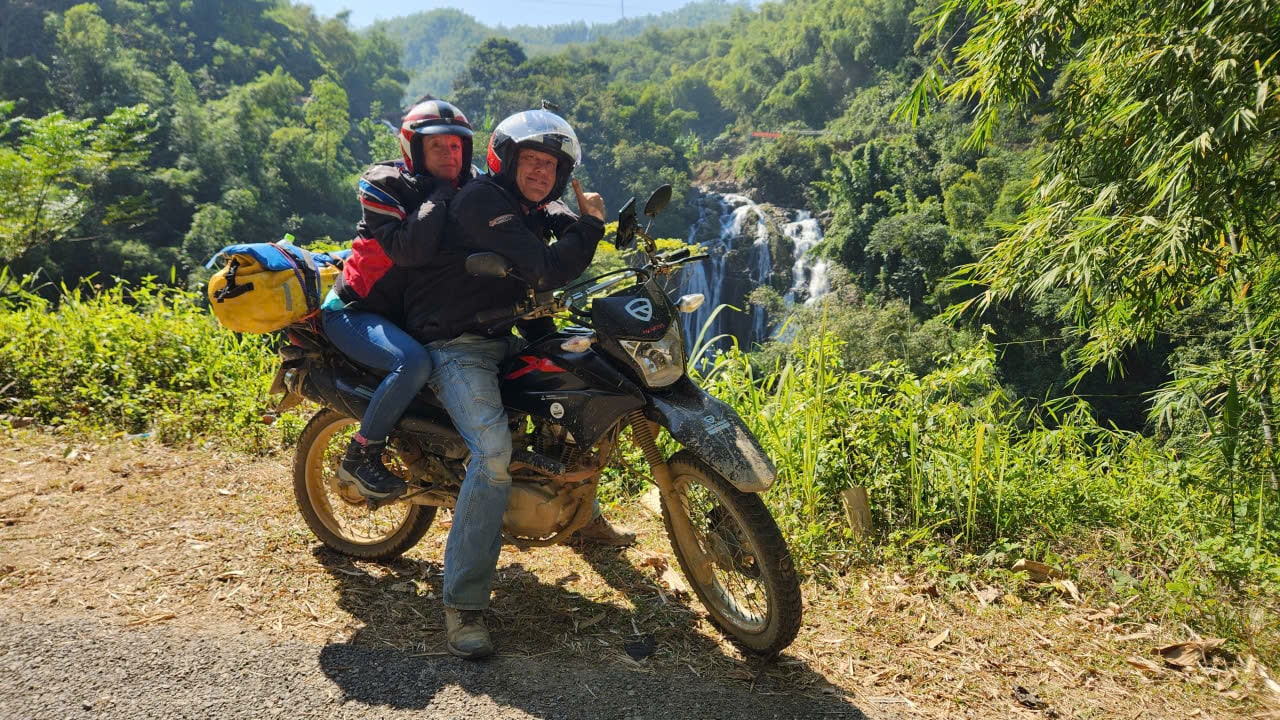
If you don’t have the 1968 IDP and you refuse to risk financial ruin in a crash, there is a completely legal, fully insurable alternative. Most travel insurance policies will cover your medical bills unconditionally if you are riding as a passenger (pillion) behind a fully licensed local rider.
This is exactly why guided pillion tours are the safest way for 1949-country citizens to see the country.
Navigating the Vietnam motorcycle license laws can feel like a maze, but understanding the 1968 Vienna Convention requirements is the only way to ensure your travel medical insurance remains valid. Whether you are a seasoned rider from the US or a first-time traveler from Australia, the “Catch-22” of the IDP is a reality that can have massive financial consequences if ignored.
At Rentabike Vietnam, our goal isn’t to discourage you from exploring the breathtaking landscapes of the Ha Giang Loop or the Ho Chi Minh Road; it’s to ensure you do so with your eyes wide open. If your home country issues a 1949 IDP, your safest, and most legal, bets are to: leverage the pillion loophole, stick to the 50cc limit or take an Easy Rider tour. Don’t let a paperwork technicality turn a dream trip into a lifelong debt.
Absolutely not. This is one of the most common and dangerous misconceptions for riders in Vietnam. The IAA is a private company that sells unofficial translation documents online. Vietnamese traffic police and international travel insurance adjusters only recognize government-issued IDPs backed by international treaties (specifically the 1968 Vienna Convention). Handing an IAA card to a police officer will result in heavy fines or vehicle impoundment, and your insurance will treat it as riding without a license.
No. An International Driving Permit is merely a translation of your home country license; it does not grant you new privileges. To be legally covered by your travel insurance to ride a motorbike in Vietnam, your physical 1968 IDP booklet must have the “A” category (motorcycles) officially stamped. If only the “B” category (cars) is stamped, you are riding illegally and your medical claims will be denied.
No. You cannot legally purchase a recognized 1968 IDP online if your home country’s government only issues the 1949 version. Any website claiming they can issue a 1968 IDP to an American or Australian citizen for a fee is selling a fraudulent document. You must obtain your IDP from the official, government-authorized motoring body in your country of residence (e.g., AAA in the US, AA in the UK, AAA in Australia) prior to departure.
Only if you ride within those restrictions. Vietnam respects the engine capacity limits of your home country license. For example, if you hold a European A2 license (restricted to 35kW/approx. 400cc), and you crash while riding a 500cc adventure bike in Vietnam, you are legally operating outside your license class. Your travel medical insurance can use this discrepancy to completely void your claim.
Yes. If you manage to jump through the bureaucratic hoops of converting your home license to a valid Vietnamese A1 or A2 license (which requires a business visa, temporary residence card, or work permit), you are fully legal under Vietnamese law. At that point, the IDP requirement drops away entirely, and your standard travel medical insurance policy will cover your motorbike touring.
Before you kickstart the engine, make sure you have the rest of the puzzle pieces in place:
Understand the Basics: Read our full breakdown of Compulsory Third-Party Liability (CTPL) in Vietnam to see what the “yellow paper” actually covers.
Pick the Right Bike: Not sure if a 50cc is enough for you? Check out our huge range of Vietnam Bike Rentals to compare power and performance for mountain riding.
The Safe Way to See the North: If you don’t have a 1968 IDP, explore our Guided Pillion & Jeep Tours for a 100% legal and insured adventure.
Avoid Common Fines: Learn how to interact with local authorities in our guide to Vietnamese Traffic Police and Foreign Riders.
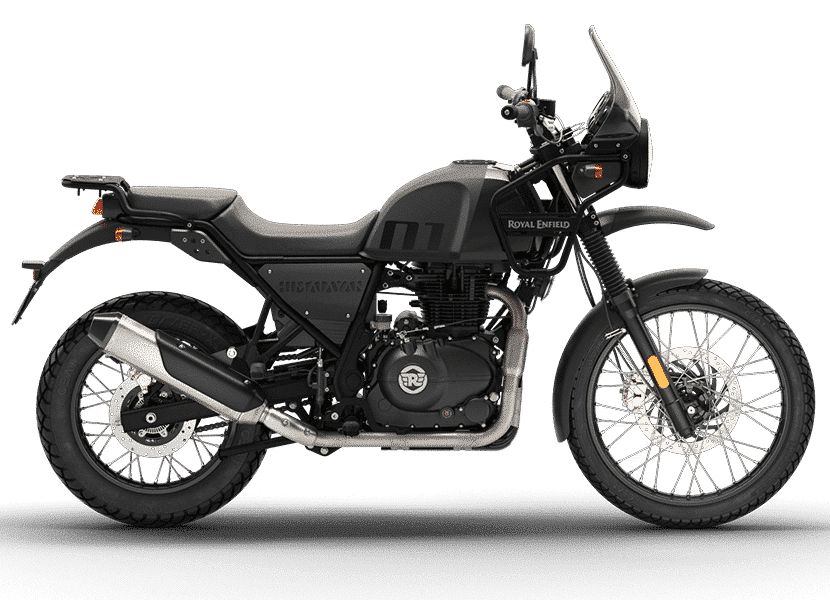
Engine Type
air-cooled, single cylinder, SOHC
Displacement
411 cc
Bore X Stroke
78 mm x 86 mm
Ignition
TCI
Fuel System
fuel injection
Compression Ratio
9.5:1
Starter
electric
Gearbox
5-speed
Front Suspension
telescopic forks; stanchion diameter 41 mm
Rear Suspension
linkage-type monoshock
Front Brakes
single disc brake, diameter 300 mm, 2-piston floating caliper
Rear Brakes
single disc brake, diameter 240 mm, single-piston floating caliper
Front Tyres
90/90 – 21
Rear Tyres
120/90 – 17
Wheelbase
1465 mm
Seat Height
800 mm
Ground Clearance
220 mm
Kerb Weight
199 kg
Fuel Capacity
15 litres
Dimensions
2190 mm (L) x 840 mm (W) x 1360 mm (H)
Daily
Total
Rider (CRF 300)
$220
Pillion
$120
Damage Waiver
$20
Private Room
$40
Support Vehicle*
$150
* All prices given are in USD and apply per rider except for the support vehicle. The support vehicle is free for groups of 7 or more, otherwise the cost is shared across the group.
Daily
Total
Rider (XR 150)
Rider (CRF 300)
Rider (CB 500X)
Rider (Himalayan 400)
$220
Rider (GS 1250)
Pillion
$120
Damage Waiver
$20
Private Room
$40
Support Vehicle*
$150
* All prices given are in USD and apply per rider except for the support vehicle. The support vehicle is free for groups of 7 or more, otherwise the cost is shared across the group.
Daily
Total
Jeep (1 PAX)
$210
Jeep (2 PAX)
$120
Jeep (3 PAX)
$90
Jeep (4+ PAX)
$80
Rider (Easy Rider)
$115
Rider (Self-Drive)
$105
Private Room
$15
* Our jeep tour prices operate on a sliding scale. The larger your group, the less each person pays—each member of your group will pay the lowest daily rate shown. For example, if you have a group of 4 or more, you will each only pay $80/day. All prices are given in USD.
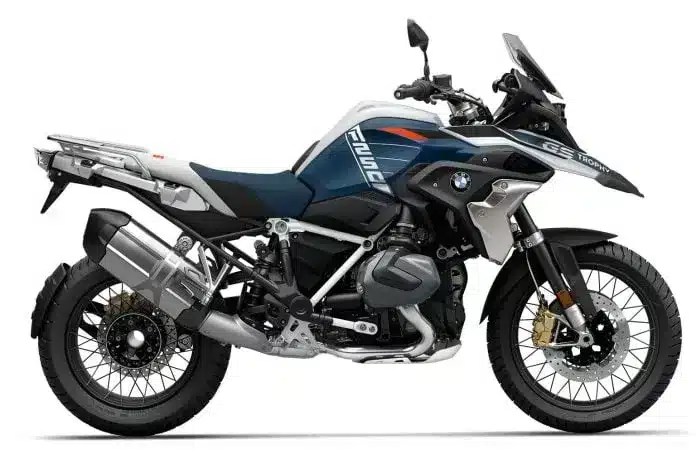
Engine Type
air-liquid cooled, twin cylinder, DOHC, boxer engine
Displacement
1255 cc
Bore X Stroke
102.5 mm x 76 mm
Ignition
FI
Fuel System
fuel injection
Compression Ratio
12.5:1
Starter
electric
Gearbox
6-speed
Front Suspension
BMW Motorrad Telelever; stanchion diameter 37 mm
Rear Suspension
single-sided swing arm with BMW Motorrad Paralever
Front Brakes
dual disc brake, floating brake discs, diameter 305 mm, 4-piston radial calipers
Rear Brakes
single disc brake, diameter 276 mm, double-piston floating caliper
Front Tyres
120/70 R19
Rear Tyres
170/60 R17
Wheelbase
1514 mm
Seat Height
850 mm
Ground Clearance
790 mm
Kerb Weight
249 kg
Fuel Capacity
20 litres
Dimensions
2207 mm (L) x 952.5mm (W) x 1430 mm (H)
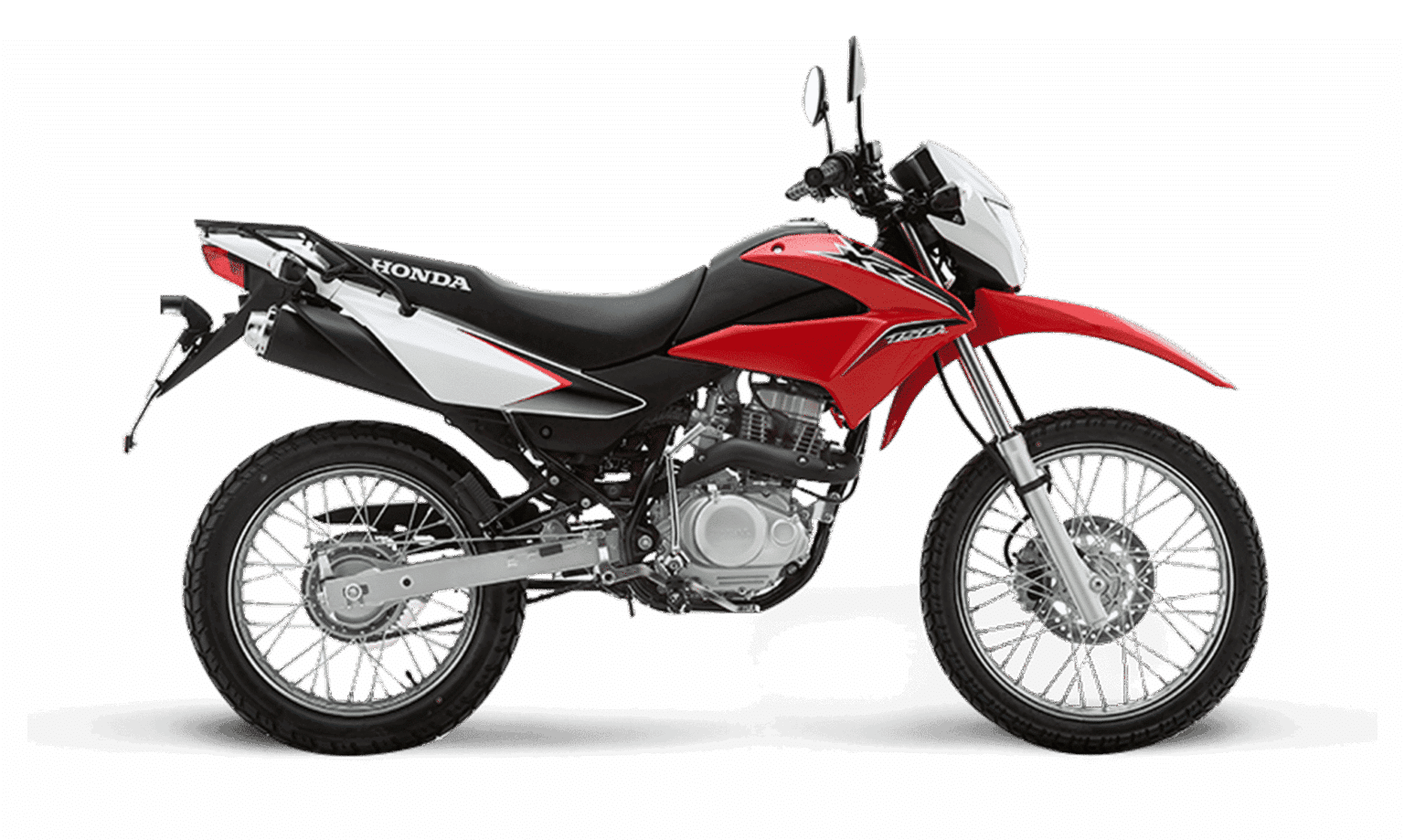
Engine Type
air cooled, OHC, single cylinder
Displacement
149 cc
Bore X Stroke
57.3 mm x 57.8 mm
Ignition
CDI
Fuel System
20 mm piston valve carburettor
Compression Ratio
9.5:1
Starter
electric with kick starter backup
Gearbox
5-speed
Front Suspension
telescopic fork, 180 mm axle travel
Rear Suspension
single shock swing arm, 150 mm axle travel
Front Brakes
dual piston caliper, 240 mm disc
Rear Brakes
mechanical drum
Front Tyres
90/90 19
Rear Tyres
110/90 17
Wheelbase
1362 mm
Seat Height
825 mm
Ground Clearance
243 mm
Kerb Weight
129 kg
Fuel Capacity
12 litres
Dimensions
2091 mm (L) x 811 mm (W) x 1125 mm (H)
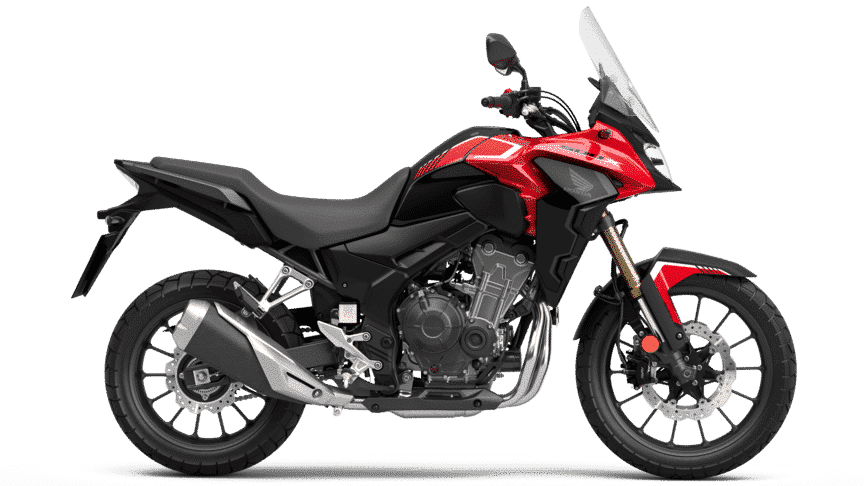
Engine Type
liquid cooled parallel-twin four stroke
Displacement
470 cc
Bore X Stroke
67 mm x 66.8 mm
Ignition
PGMI – FI
Fuel System
fuel injection
Compression Ratio
10.7:1
Starter
electric
Gearbox
6-speed
Front Suspension
41 mm SFF-BP USD Forks
Rear Suspension
Prolink Mono with 5 stage pre load adjuster
Front Brakes
dual 296 mm discs with 4 piston calipers; ABS
Rear Brakes
240 mm disc; ABS
Front Tyres
110/80R19M/C (59H)
Rear Tyres
160/60R17M/C
Wheelbase
1445 mm
Seat Height
830 mm
Ground Clearance
180 mm
Kerb Weight
199 kg
Fuel Capacity
17.7 litres
Dimensions
2,155 mm (L) x 830 mm (W) x 1,410 mm (H)
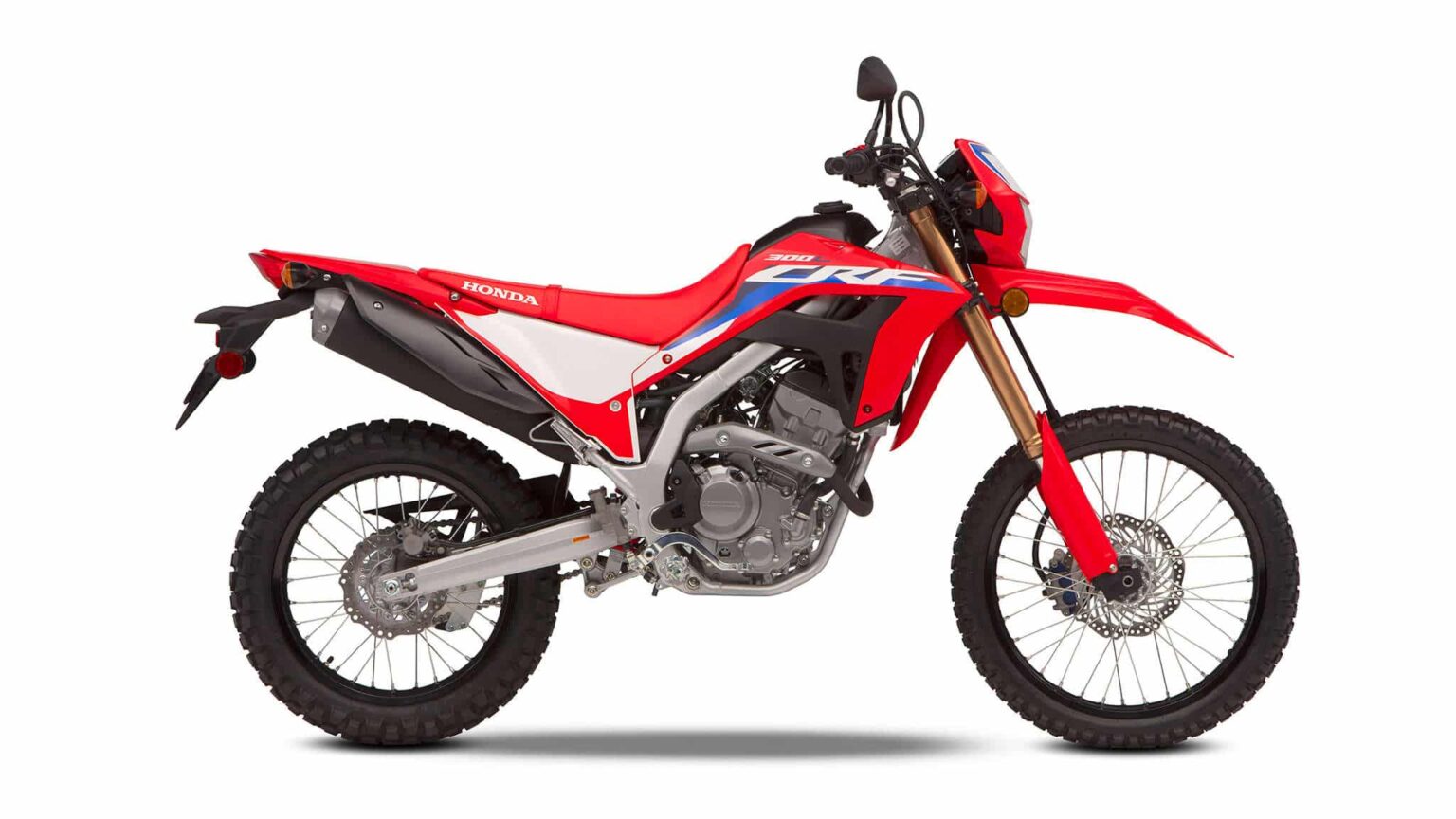
Engine Type
single cylinder, DOHC, liquid cooled
Displacement
286 cc
Bore X Stroke
76 mm x 63 mm
Ignition
Full Transistor Digital
Fuel System
PGM-FI electronic fuel injection
Compression Ratio
10.7:1
Starter
electric
Gearbox
5-speed
Front Suspension
43 mm telescopic upside down
Rear Suspension
Prolink Mono with 5 stage pre load adjuster
Front Brakes
Rear Brakes
220 mm disc, single piston caliper
Front Tyres
80/100 21
Rear Tyres
120/80 18
Wheelbase
1455 mm
Seat Height
880 mm
Ground Clearance
285 mm
Kerb Weight
142 kg
Fuel Capacity
7.8 litres
Dimensions
2230 mm (L) x 820 mm (W) x 1200 mm (H)