
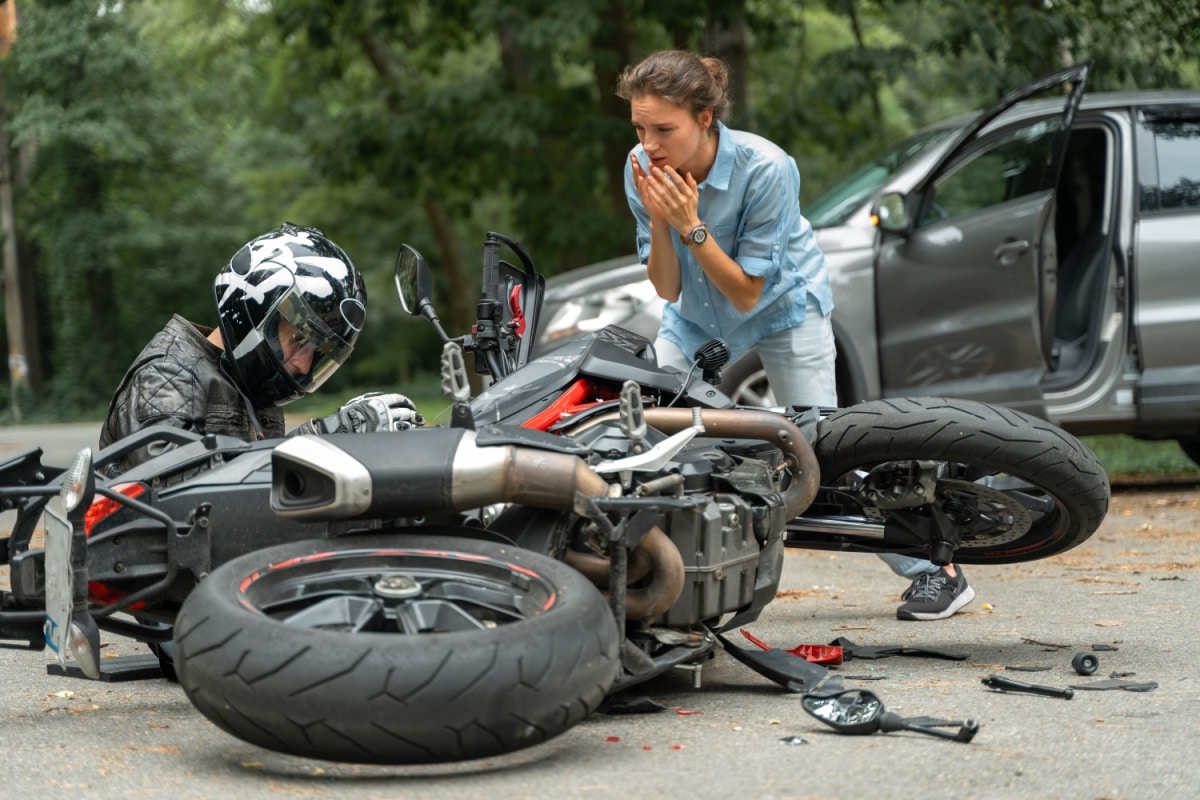
No one wants to think about it, but whether it’s a wandering water buffalo stepping into your lane in Cao Bang, a slick patch of mud on a blind corner, or a momentary lapse in concentration in city traffic, accidents happen.
After 25 years of riding these roads and managing the fleet here at Rentabike Vietnam, I’ve seen every variation of a motorcycle crash. The most important thing to understand is that the post-crash protocol in Vietnam looks absolutely nothing like it does in the West.
If you have a low-speed collision with another rider, a pedestrian, or a piece of property, and no one is seriously injured, the golden rule of Vietnam applies: Do not call the police if you can avoid it.
In Western countries, calling the police to file a report for insurance purposes is standard practice. In Vietnam, involving the traffic police for a minor scrape is a massive headache for everyone involved. If the police arrive, both vehicles will almost certainly be impounded pending an investigation, which can take weeks and effectively ruin your trip.
Instead, minor accidents are almost exclusively handled via an on-the-spot cash settlement.
Once the cash changes hands, the matter is considered permanently settled. Shake hands and ride away. Quickly.
If the crash is severe, involving broken bones, unconsciousness, or significant trauma, the cash settlement goes out the window. The police will be called by bystanders, and medical evacuation takes absolute priority.
If you survive the crash and are lying in a hospital bed in Hanoi, your next battle is with your travel medical insurance back home. To get them to reimburse your medical bills, you need an ironclad paper trail.
You must collect:
Navigating a major crash is chaotic, but having a reputable local company on the other end of the phone is the difference between a managed crisis and a total disaster.
Hospitals will always provide immediate, life-saving stabilization. However, Vietnam operates on a strict “pay-first, claim-later” model. Once you are stabilized, you (or your travel companion) will be required to pay a substantial cash or credit card deposit, often 30% to 70% of the estimated treatment cost, before further surgeries or treatments proceed. Direct billing to foreign travel insurance companies is extremely rare in emergency rooms, which is why having access to emergency funds is critical.
Yes. If you are involved in a major accident, especially one resulting in severe injury to a local or a fatality, Vietnamese authorities can and will place an exit ban on your passport. You will not be allowed to leave the country until the official police investigation concludes and all civil compensation (out-of-court financial settlements) with the local party or their family is fully resolved.
This is often police-led and high profile, so the idea that you can pay blood money / tea money and hightail it out of Dodge is not at all accurate.
If it is a minor scrape (a “cash settlement” scenario), move the bikes out of the flow of traffic immediately to avoid a secondary collision. However, if it is a major accident involving serious injury where the police must be called, leave the vehicles exactly where they fell if it is safe to do so.
Vietnamese traffic police draw chalk outlines and take precise measurements to determine fault. Moving the vehicles before they arrive can severely complicate the official police report you need for your insurance.
Unfortunately, hit-and-runs do happen. If the at-fault driver flees, you are left to cover your own medical bills and the damage to your rental bike. Vietnamese police will rarely launch an investigation or a manhunt for a minor collision. This is exactly why relying on the other party’s compulsory insurance is a bad strategy, and why holding a damage waiver and robust personal travel medical insurance is essential.
Yes. Vietnamese law does not grant immunity based on nationality. If you are deemed at fault for an accident that causes a fatality or a high percentage of permanent bodily injury to a local, especially if you were speeding, riding without a valid 1968 IDP, or under the influence of alcohol, you can face formal criminal prosecution and imprisonment, not just an administrative fine.
Riding in Vietnam is one of the best experiences you can have on two wheels, but it comes with its own rules when things go wrong. Keep a level head, understand how situations are handled locally, and always have a reliable contact you can call. A bit of preparation and the right mindset won’t prevent every accident, but it can make a huge difference in how smoothly you get through one.
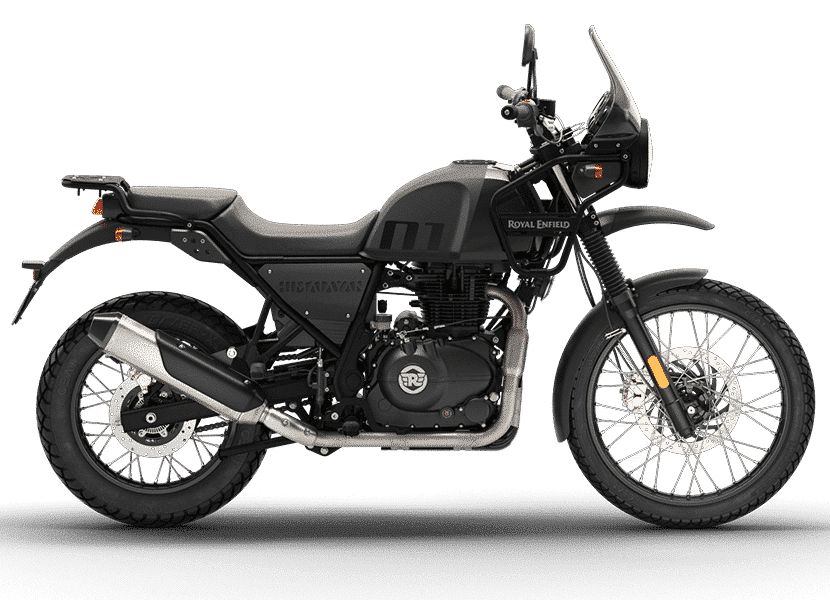
Engine Type
air-cooled, single cylinder, SOHC
Displacement
411 cc
Bore X Stroke
78 mm x 86 mm
Ignition
TCI
Fuel System
fuel injection
Compression Ratio
9.5:1
Starter
electric
Gearbox
5-speed
Front Suspension
telescopic forks; stanchion diameter 41 mm
Rear Suspension
linkage-type monoshock
Front Brakes
single disc brake, diameter 300 mm, 2-piston floating caliper
Rear Brakes
single disc brake, diameter 240 mm, single-piston floating caliper
Front Tyres
90/90 – 21
Rear Tyres
120/90 – 17
Wheelbase
1465 mm
Seat Height
800 mm
Ground Clearance
220 mm
Kerb Weight
199 kg
Fuel Capacity
15 litres
Dimensions
2190 mm (L) x 840 mm (W) x 1360 mm (H)
Daily
Total
Rider (CRF 300)
$220
Pillion
$120
Damage Waiver
$20
Private Room
$40
Support Vehicle*
$150
* All prices given are in USD and apply per rider except for the support vehicle. The support vehicle is free for groups of 7 or more, otherwise the cost is shared across the group.
Daily
Total
Rider (XR 150)
Rider (CRF 300)
Rider (CB 500X)
Rider (Himalayan 400)
$220
Rider (GS 1250)
Pillion
$120
Damage Waiver
$20
Private Room
$40
Support Vehicle*
$150
* All prices given are in USD and apply per rider except for the support vehicle. The support vehicle is free for groups of 7 or more, otherwise the cost is shared across the group.
Daily
Total
Jeep (1 PAX)
$210
Jeep (2 PAX)
$120
Jeep (3 PAX)
$90
Jeep (4+ PAX)
$80
Rider (Easy Rider)
$115
Rider (Self-Drive)
$105
Private Room
$15
* Our jeep tour prices operate on a sliding scale. The larger your group, the less each person pays—each member of your group will pay the lowest daily rate shown. For example, if you have a group of 4 or more, you will each only pay $80/day. All prices are given in USD.
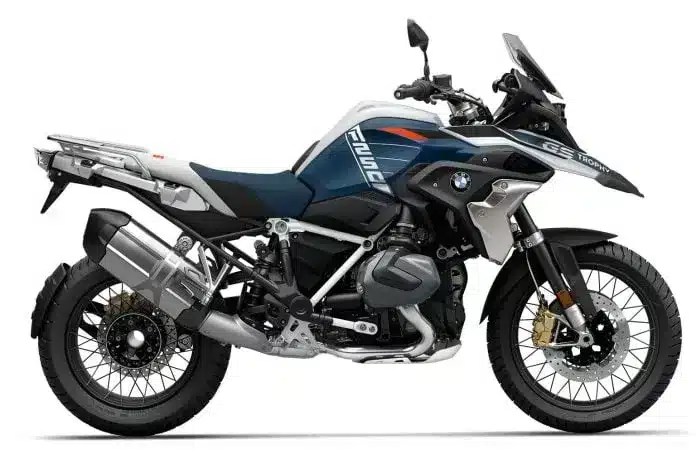
Engine Type
air-liquid cooled, twin cylinder, DOHC, boxer engine
Displacement
1255 cc
Bore X Stroke
102.5 mm x 76 mm
Ignition
FI
Fuel System
fuel injection
Compression Ratio
12.5:1
Starter
electric
Gearbox
6-speed
Front Suspension
BMW Motorrad Telelever; stanchion diameter 37 mm
Rear Suspension
single-sided swing arm with BMW Motorrad Paralever
Front Brakes
dual disc brake, floating brake discs, diameter 305 mm, 4-piston radial calipers
Rear Brakes
single disc brake, diameter 276 mm, double-piston floating caliper
Front Tyres
120/70 R19
Rear Tyres
170/60 R17
Wheelbase
1514 mm
Seat Height
850 mm
Ground Clearance
790 mm
Kerb Weight
249 kg
Fuel Capacity
20 litres
Dimensions
2207 mm (L) x 952.5mm (W) x 1430 mm (H)
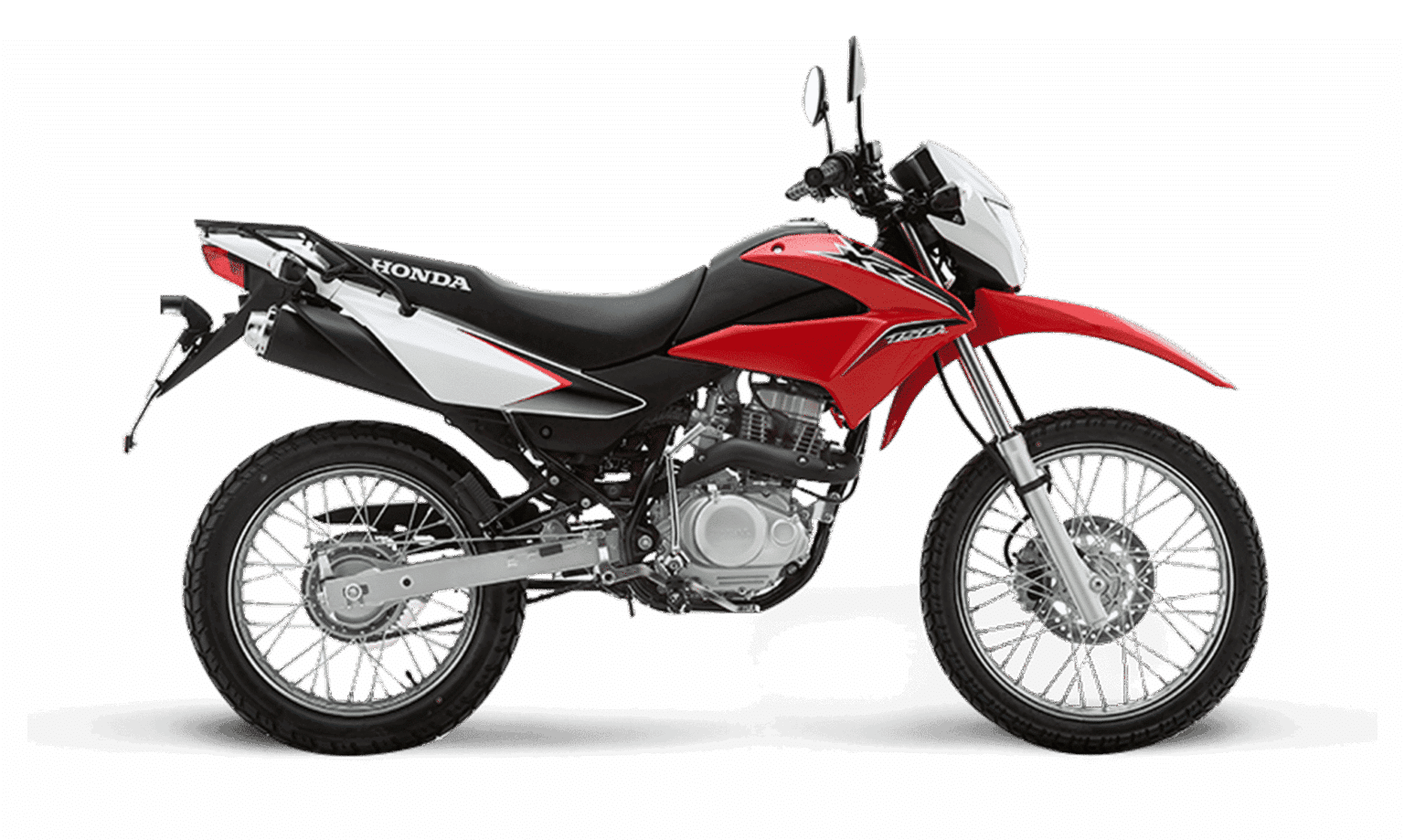
Engine Type
air cooled, OHC, single cylinder
Displacement
149 cc
Bore X Stroke
57.3 mm x 57.8 mm
Ignition
CDI
Fuel System
20 mm piston valve carburettor
Compression Ratio
9.5:1
Starter
electric with kick starter backup
Gearbox
5-speed
Front Suspension
telescopic fork, 180 mm axle travel
Rear Suspension
single shock swing arm, 150 mm axle travel
Front Brakes
dual piston caliper, 240 mm disc
Rear Brakes
mechanical drum
Front Tyres
90/90 19
Rear Tyres
110/90 17
Wheelbase
1362 mm
Seat Height
825 mm
Ground Clearance
243 mm
Kerb Weight
129 kg
Fuel Capacity
12 litres
Dimensions
2091 mm (L) x 811 mm (W) x 1125 mm (H)
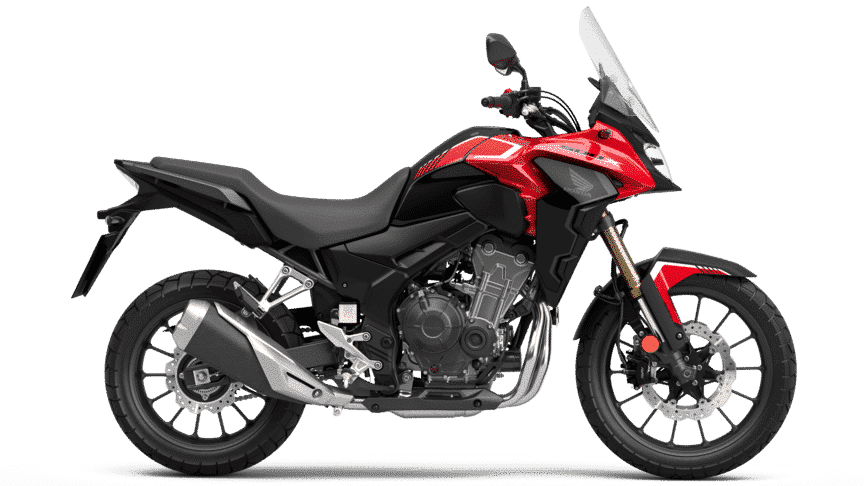
Engine Type
liquid cooled parallel-twin four stroke
Displacement
470 cc
Bore X Stroke
67 mm x 66.8 mm
Ignition
PGMI – FI
Fuel System
fuel injection
Compression Ratio
10.7:1
Starter
electric
Gearbox
6-speed
Front Suspension
41 mm SFF-BP USD Forks
Rear Suspension
Prolink Mono with 5 stage pre load adjuster
Front Brakes
dual 296 mm discs with 4 piston calipers; ABS
Rear Brakes
240 mm disc; ABS
Front Tyres
110/80R19M/C (59H)
Rear Tyres
160/60R17M/C
Wheelbase
1445 mm
Seat Height
830 mm
Ground Clearance
180 mm
Kerb Weight
199 kg
Fuel Capacity
17.7 litres
Dimensions
2,155 mm (L) x 830 mm (W) x 1,410 mm (H)
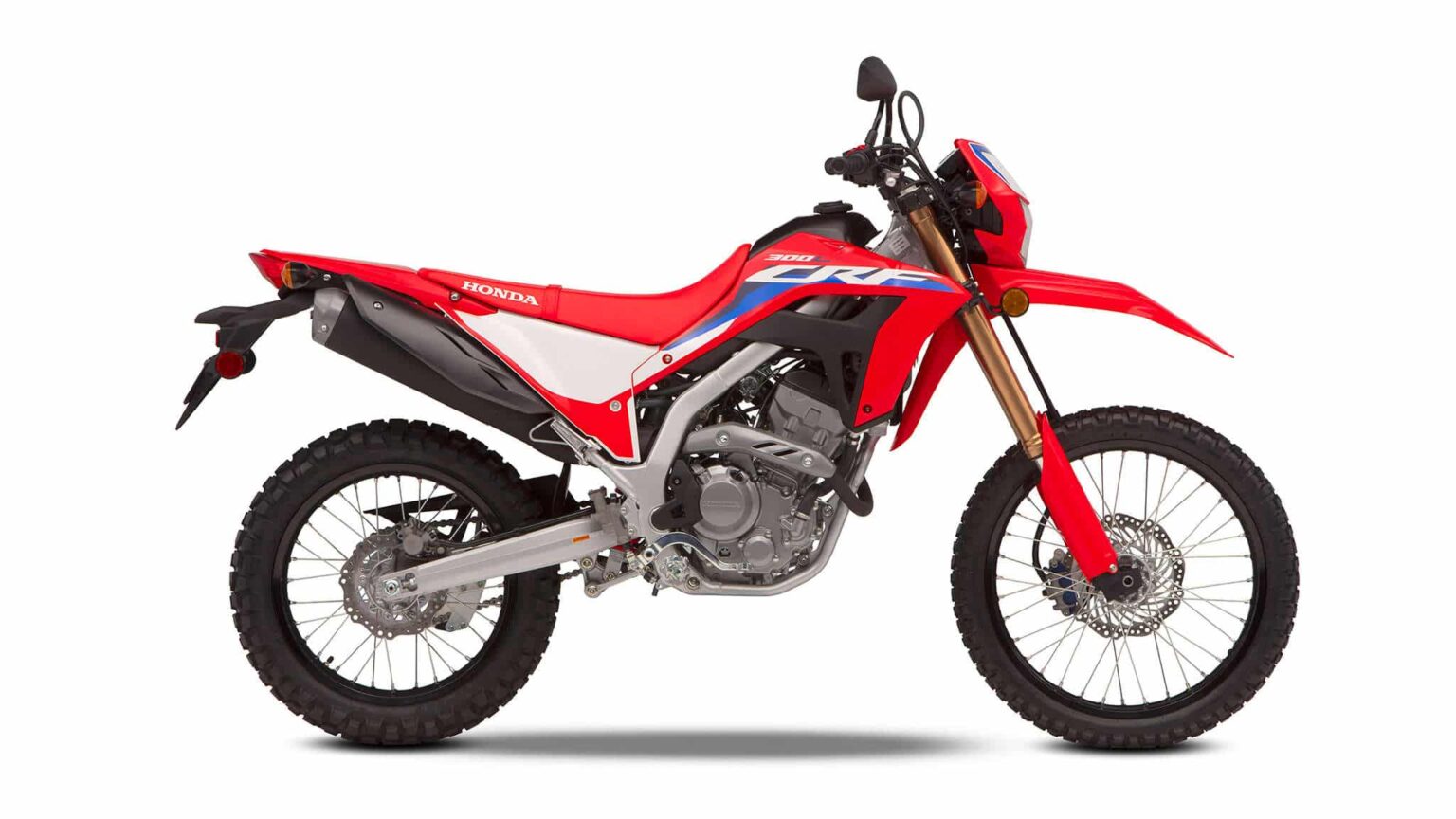
Engine Type
single cylinder, DOHC, liquid cooled
Displacement
286 cc
Bore X Stroke
76 mm x 63 mm
Ignition
Full Transistor Digital
Fuel System
PGM-FI electronic fuel injection
Compression Ratio
10.7:1
Starter
electric
Gearbox
5-speed
Front Suspension
43 mm telescopic upside down
Rear Suspension
Prolink Mono with 5 stage pre load adjuster
Front Brakes
Rear Brakes
220 mm disc, single piston caliper
Front Tyres
80/100 21
Rear Tyres
120/80 18
Wheelbase
1455 mm
Seat Height
880 mm
Ground Clearance
285 mm
Kerb Weight
142 kg
Fuel Capacity
7.8 litres
Dimensions
2230 mm (L) x 820 mm (W) x 1200 mm (H)