
You wake up, step outside your hotel to hit the road, and your rental motorbike is gone. It is a rider’s worst nightmare, and unfortunately, it happens.
Vietnam’s roads offer some of the best two-wheeled adventures in the world, but navigating the country requires understanding a few strict, unwritten rules about vehicle security. If you are renting a bike, knowing exactly where the liability falls, and how to prevent theft in the first place, is just as important as knowing how to ride.
Here is exactly what happens if your rental bike goes missing, and the foolproof methods to ensure it never does.
Let’s address the most important question first: Who pays?
If a rental motorcycle is stolen while in your possession, you are legally and financially responsible for paying the full replacement value of the bike.
At Rentabike Vietnam, and across all reputable rental agencies in the country, the standard policy is that the renter assumes total responsibility for the vehicle from the moment the keys are handed over until it is safely returned.
There is no magical local insurance policy that absorbs the cost of a stolen rental fleet vehicle. If it disappears on your watch, you are buying the rental company a replacement.
Many riders assume they are covered because they purchased a “Damage Waiver” when signing their rental contract. This is a dangerous misunderstanding.
Damage waivers are explicitly designed to cover accidental crash damage — scraped fairings, bent levers, or a broken headlight from a slide. They strictly do not cover theft, robbery, or total loss.
A damage waiver is not comprehensive insurance; it is a buffer against the inevitable bumps and scrapes of the road.
Having navigated these roads and managed rental fleets for two and a half decades, the patterns of theft are highly predictable. Motorbikes are rarely stolen from riders who follow local parking protocols. They are stolen from riders who are sloppy and seem to feel that everyone in Vietnam is friendly, honest and repsectable. Well, much like any country, there are a few bad apples and you need to guard against them.
Here is how you keep your bike safe:
a
Thieves in Vietnam will generally go for the ‘easy win’. That is the bike that they can steal the quickest and with the lowest possible risk. Do what you can to make your bike less attractive than others and you will never have a problem with theft.
| Situation | Action |
|---|---|
| Quick Coffee Stop | Use the steering lock and leave the bike in direct view. |
| Lunch / Dinner | Use the Gui Xe parking or park where the restaurant has a guarded area. |
| Overnight | Bring the bike inside a locked / guarded parking area. |
| Rural / Highlands | Generally safer, but still be cautious and follow the advice of your host. |
First, assess your physical condition and move out of the flow of traffic. Once you are safe, your immediate next step should be to call your rental agency. Do not attempt to negotiate with other drivers on your own if there is a dispute, and do not try to hide the damage. A reputable agency will have fluent English and Vietnamese speakers who can talk to locals or the police on your behalf to de-escalate the situation and advise you on the next steps.
A damage waiver is incredibly useful, but it is not a magical shield. It specifically covers accidental crash damage to the physical motorcycle—meaning if you slide out on gravel and snap a clutch lever or crack a fairing, you won’t be charged for those parts or the labor to replace them. However, it does not cover third-party liability (damage to other people or vehicles), your personal medical bills, or the theft of the motorcycle.
Absolutely not. This is a common mistake that ends up costing riders double. If you take a rented bike to a random roadside mechanic, they will almost certainly replace the broken part with a cheap, counterfeit component to keep the price low.
When you return the bike to Rentabike Vietnam, our mechanics will immediately spot the non-authentic part. You will then be charged the full price to replace it again with a genuine manufacturer part. Always be honest with your rental company. It is cheaper and safer in the long run.
We have a Duty of Care to the next customer so do not appreciate it when a renter tries to ‘fool’ us.
No. While travel insurance covers your medical bills (provided you are riding legally), it almost never covers the physical motorcycle.
Most “Rental Vehicle Excess” clauses in travel policies explicitly apply only to four-wheeled vehicles (cars). Motorcycles and scooters are standard exclusions.
Motorbikes are not considered “personal effects” or “baggage.” If your rental bike is stolen, your insurance will not reimburse you for the replacement cost.
The “Illegal” Clause: If you do not have the correct 1968 IDP or a valid motorcycle endorsement, your entire policy is voided, meaning they won’t pay for the bike or your medical care.
Our Advice: You are financially responsible for the motorcycle. Always use secure, paid parking (Gửi Xe) and ride within your skill level. For peace of mind, ask us about our optional Damage Waiver programs.
By law, every motorbike in Vietnam must carry a Certificate of Compulsory Civil Liability Insurance (a yellow paper or digital certificate). While you must have it to be legally compliant and avoid police fines, it has virtually no practical value for a tourist in a minor crash. It only covers third-party liability (damage you cause to others), the payout limits are incredibly low, and the claim process requires police intervention and months of bureaucratic paperwork. Rely on a damage waiver for the bike, and your own travel insurance for your body.
The anxiety of a stolen bike is completely avoidable. By treating your rental with the same care as your passport, utilizing guarded parking, and always verifying overnight security with your hosts, you can focus entirely on the ride ahead.
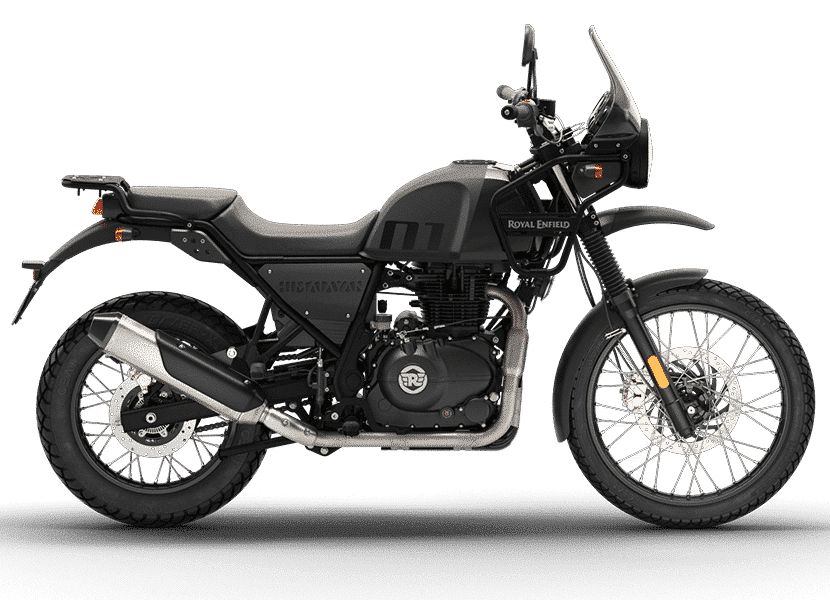
Engine Type
air-cooled, single cylinder, SOHC
Displacement
411 cc
Bore X Stroke
78 mm x 86 mm
Ignition
TCI
Fuel System
fuel injection
Compression Ratio
9.5:1
Starter
electric
Gearbox
5-speed
Front Suspension
telescopic forks; stanchion diameter 41 mm
Rear Suspension
linkage-type monoshock
Front Brakes
single disc brake, diameter 300 mm, 2-piston floating caliper
Rear Brakes
single disc brake, diameter 240 mm, single-piston floating caliper
Front Tyres
90/90 – 21
Rear Tyres
120/90 – 17
Wheelbase
1465 mm
Seat Height
800 mm
Ground Clearance
220 mm
Kerb Weight
199 kg
Fuel Capacity
15 litres
Dimensions
2190 mm (L) x 840 mm (W) x 1360 mm (H)
Daily
Total
Rider (CRF 300)
$220
Pillion
$120
Damage Waiver
$20
Private Room
$40
Support Vehicle*
$150
* All prices given are in USD and apply per rider except for the support vehicle. The support vehicle is free for groups of 7 or more, otherwise the cost is shared across the group.
Daily
Total
Rider (XR 150)
Rider (CRF 300)
Rider (CB 500X)
Rider (Himalayan 400)
$220
Rider (GS 1250)
Pillion
$120
Damage Waiver
$20
Private Room
$40
Support Vehicle*
$150
* All prices given are in USD and apply per rider except for the support vehicle. The support vehicle is free for groups of 7 or more, otherwise the cost is shared across the group.
Daily
Total
Jeep (1 PAX)
$210
Jeep (2 PAX)
$120
Jeep (3 PAX)
$90
Jeep (4+ PAX)
$80
Rider (Easy Rider)
$115
Rider (Self-Drive)
$105
Private Room
$15
* Our jeep tour prices operate on a sliding scale. The larger your group, the less each person pays—each member of your group will pay the lowest daily rate shown. For example, if you have a group of 4 or more, you will each only pay $80/day. All prices are given in USD.
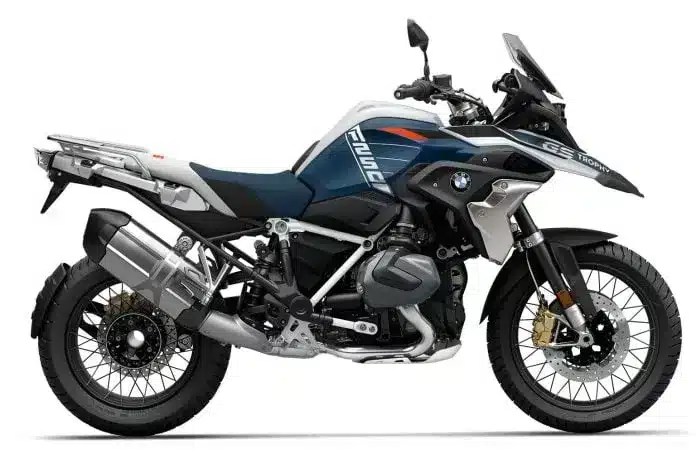
Engine Type
air-liquid cooled, twin cylinder, DOHC, boxer engine
Displacement
1255 cc
Bore X Stroke
102.5 mm x 76 mm
Ignition
FI
Fuel System
fuel injection
Compression Ratio
12.5:1
Starter
electric
Gearbox
6-speed
Front Suspension
BMW Motorrad Telelever; stanchion diameter 37 mm
Rear Suspension
single-sided swing arm with BMW Motorrad Paralever
Front Brakes
dual disc brake, floating brake discs, diameter 305 mm, 4-piston radial calipers
Rear Brakes
single disc brake, diameter 276 mm, double-piston floating caliper
Front Tyres
120/70 R19
Rear Tyres
170/60 R17
Wheelbase
1514 mm
Seat Height
850 mm
Ground Clearance
790 mm
Kerb Weight
249 kg
Fuel Capacity
20 litres
Dimensions
2207 mm (L) x 952.5mm (W) x 1430 mm (H)
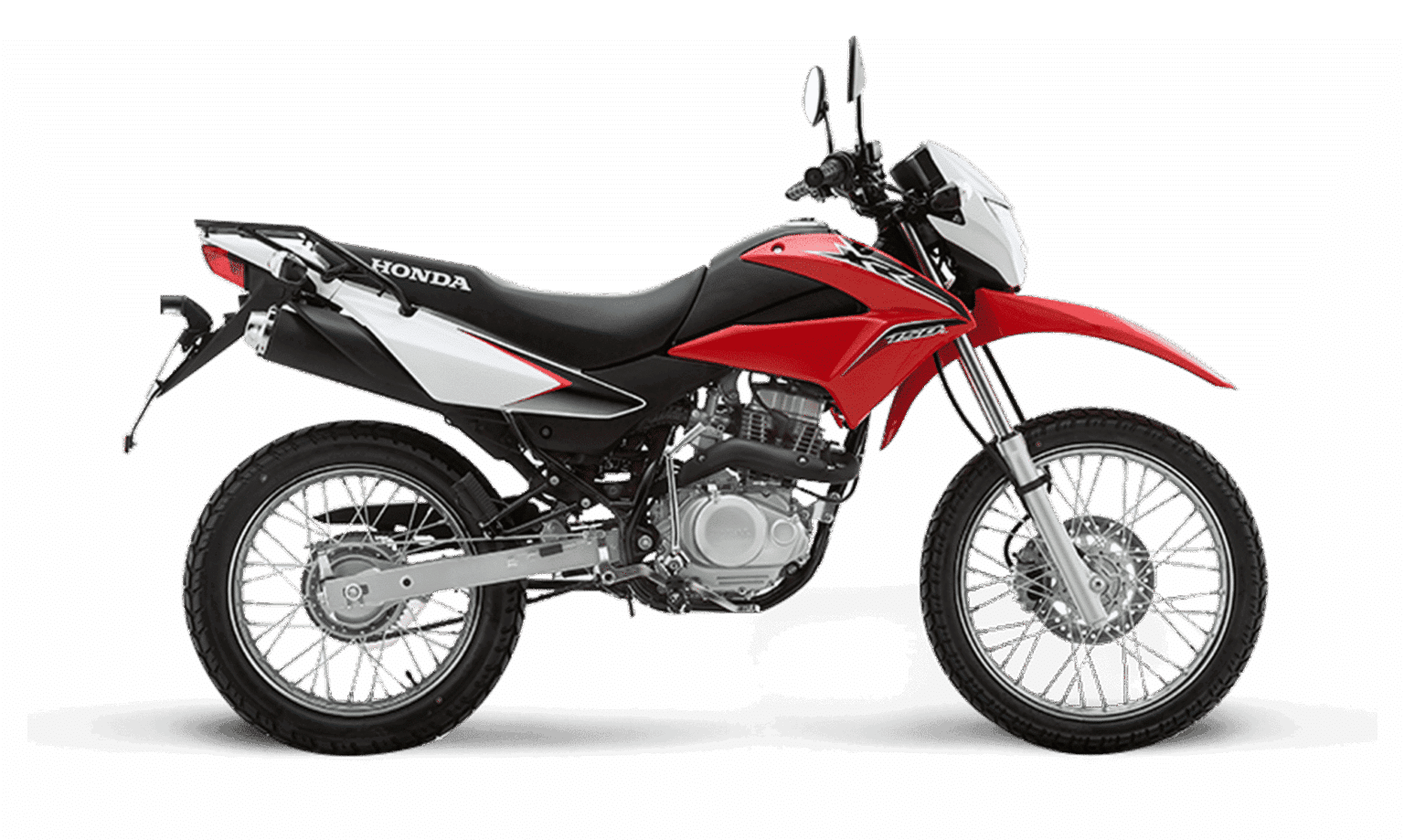
Engine Type
air cooled, OHC, single cylinder
Displacement
149 cc
Bore X Stroke
57.3 mm x 57.8 mm
Ignition
CDI
Fuel System
20 mm piston valve carburettor
Compression Ratio
9.5:1
Starter
electric with kick starter backup
Gearbox
5-speed
Front Suspension
telescopic fork, 180 mm axle travel
Rear Suspension
single shock swing arm, 150 mm axle travel
Front Brakes
dual piston caliper, 240 mm disc
Rear Brakes
mechanical drum
Front Tyres
90/90 19
Rear Tyres
110/90 17
Wheelbase
1362 mm
Seat Height
825 mm
Ground Clearance
243 mm
Kerb Weight
129 kg
Fuel Capacity
12 litres
Dimensions
2091 mm (L) x 811 mm (W) x 1125 mm (H)
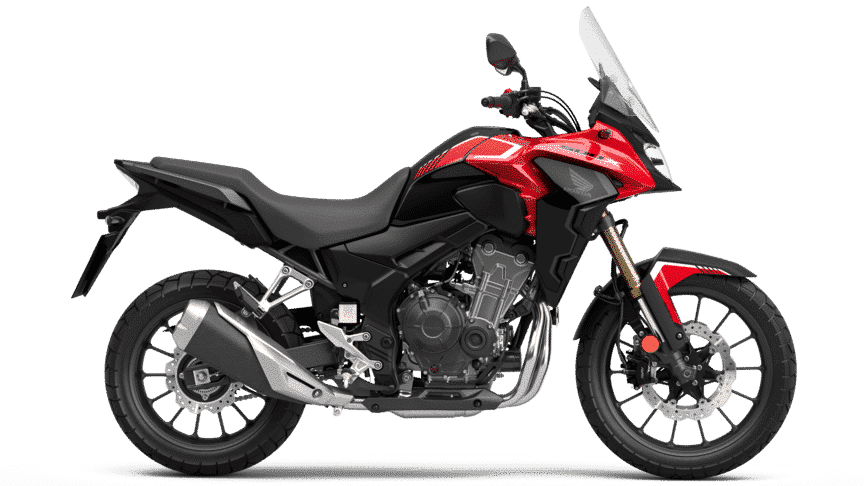
Engine Type
liquid cooled parallel-twin four stroke
Displacement
470 cc
Bore X Stroke
67 mm x 66.8 mm
Ignition
PGMI – FI
Fuel System
fuel injection
Compression Ratio
10.7:1
Starter
electric
Gearbox
6-speed
Front Suspension
41 mm SFF-BP USD Forks
Rear Suspension
Prolink Mono with 5 stage pre load adjuster
Front Brakes
dual 296 mm discs with 4 piston calipers; ABS
Rear Brakes
240 mm disc; ABS
Front Tyres
110/80R19M/C (59H)
Rear Tyres
160/60R17M/C
Wheelbase
1445 mm
Seat Height
830 mm
Ground Clearance
180 mm
Kerb Weight
199 kg
Fuel Capacity
17.7 litres
Dimensions
2,155 mm (L) x 830 mm (W) x 1,410 mm (H)
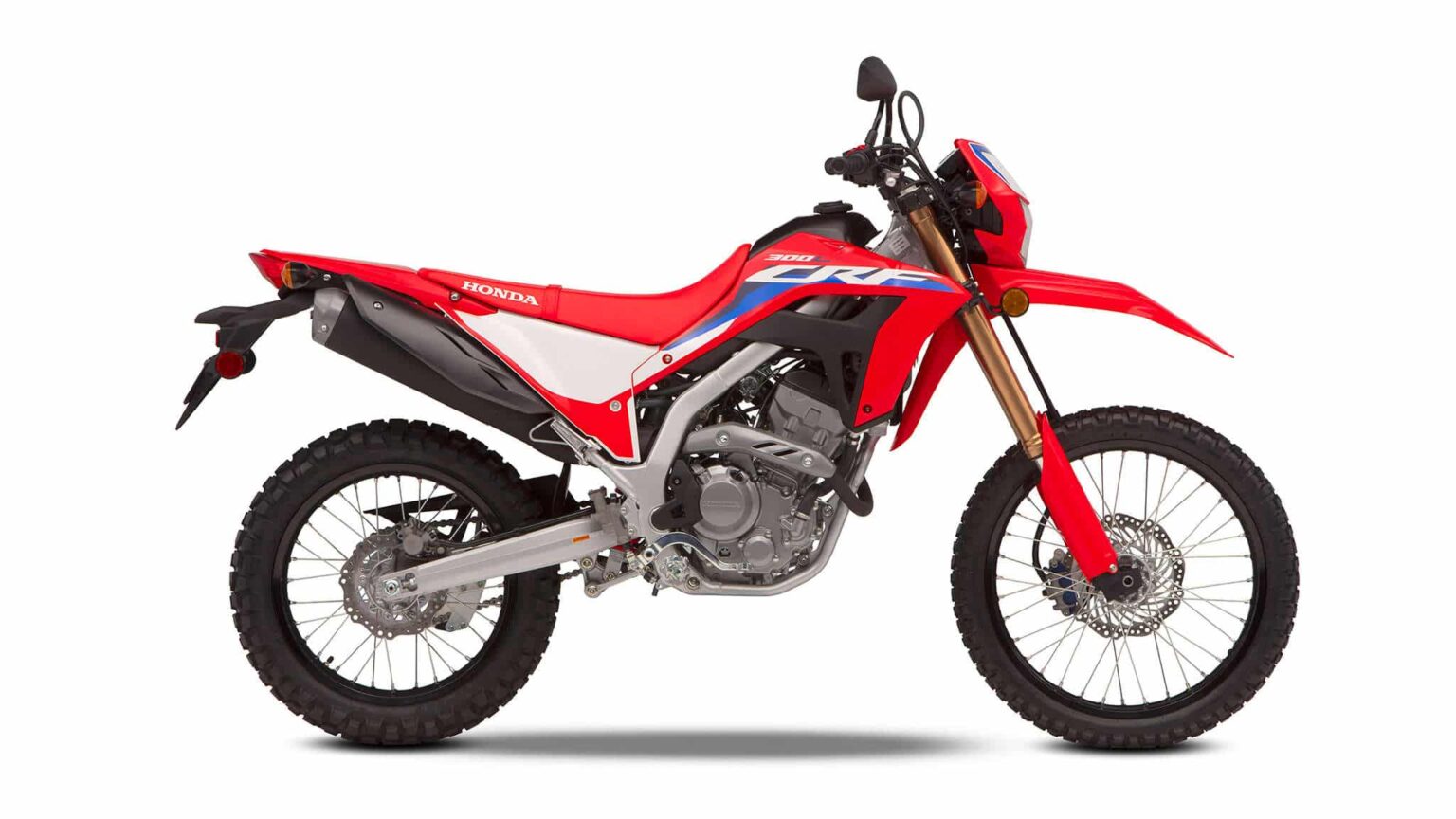
Engine Type
single cylinder, DOHC, liquid cooled
Displacement
286 cc
Bore X Stroke
76 mm x 63 mm
Ignition
Full Transistor Digital
Fuel System
PGM-FI electronic fuel injection
Compression Ratio
10.7:1
Starter
electric
Gearbox
5-speed
Front Suspension
43 mm telescopic upside down
Rear Suspension
Prolink Mono with 5 stage pre load adjuster
Front Brakes
Rear Brakes
220 mm disc, single piston caliper
Front Tyres
80/100 21
Rear Tyres
120/80 18
Wheelbase
1455 mm
Seat Height
880 mm
Ground Clearance
285 mm
Kerb Weight
142 kg
Fuel Capacity
7.8 litres
Dimensions
2230 mm (L) x 820 mm (W) x 1200 mm (H)