
When the streets turn red and gold, it means Lì Xì season is here. Those little red envelopes are more than decoration; they are a complex web of social currency.
We break down the legend and the rules in this guide. For the rest of your holiday logistics—routes, food, and repairs—consult The Ultimate Guide to Riding Vietnam During Tet.
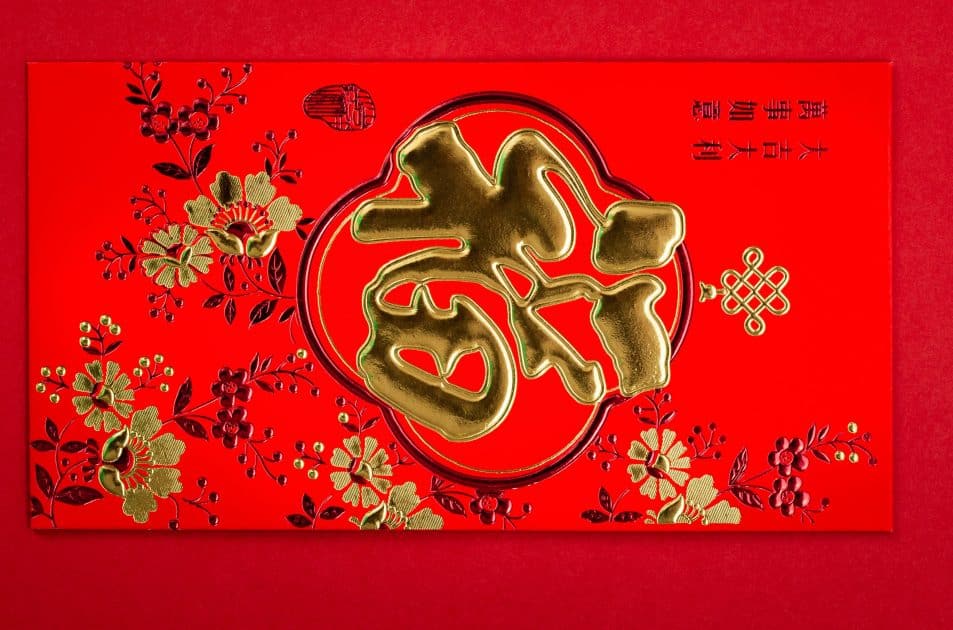
Lì Xì (pronounced lee-see) essentially means “lucky money.”
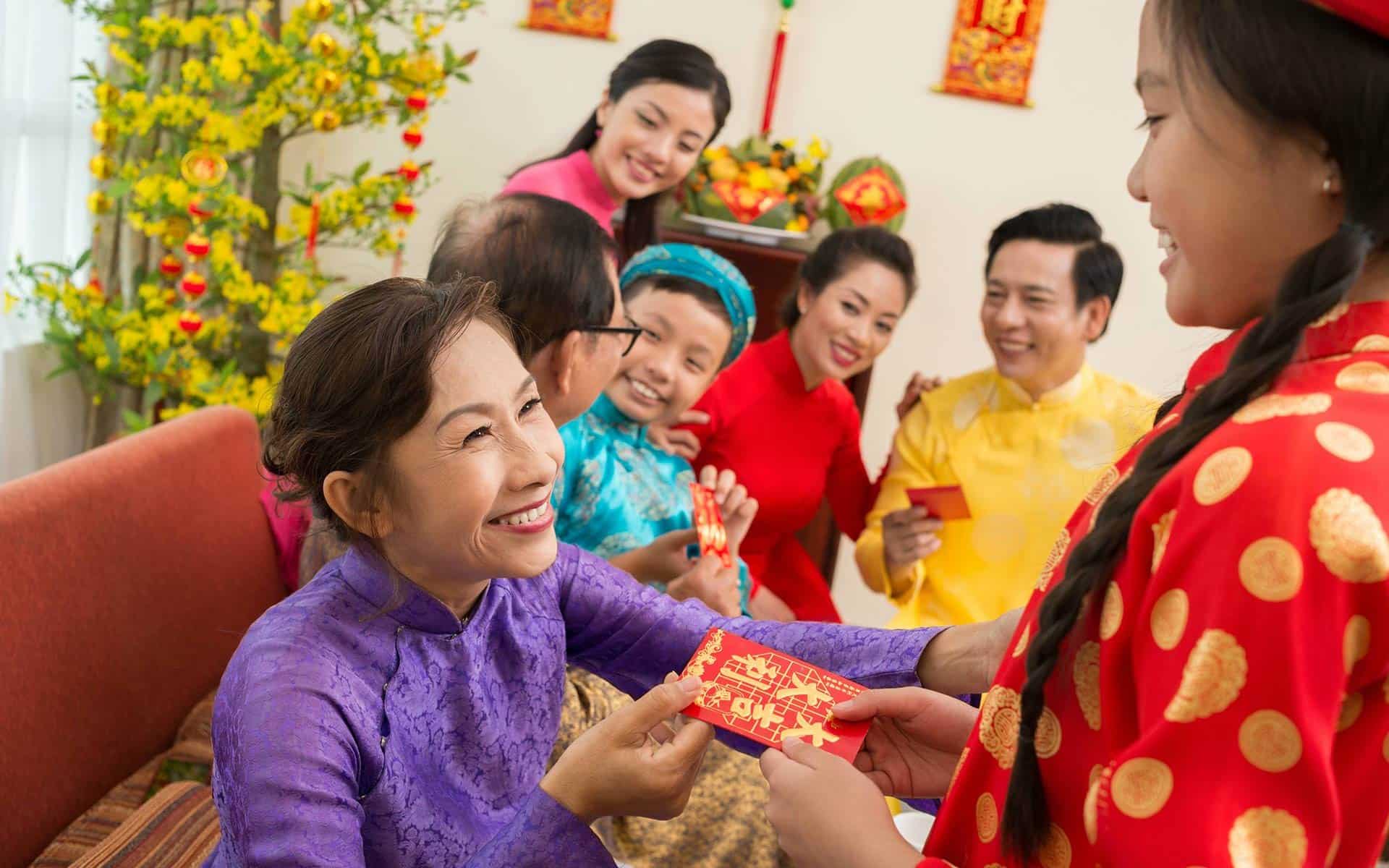
During the first few days of the Lunar New Year, adults give these red envelopes to children and elders. It is also known as Tiền Mừng Tuổi (money to congratulate the new age), because traditionally, Vietnamese people did not celebrate individual birthdays. Instead, everyone turns one year older together on New Year’s Day.
The money inside is symbolic. The red envelope represents luck, prosperity, and the warding off of evil spirits for the coming year.
Why do we do this? Like many Vietnamese customs, there is an ancient legend behind it.
Once upon a time, all the evil spirits on Earth were trapped inside a giant peach blossom tree in the Eastern Sea, guarded by deities. However, on New Year’s Eve, the deities had to ascend to Heaven to pay their respects, leaving the tree unguarded.
An evil ogre named Tuy escaped. He would sneak into houses and rub the heads of sleeping children, causing them to wake up screaming with high fevers. Parents were terrified and had to stay awake all night to guard their little ones.
One year, eight deities passed through a village and saw the parents’ distress. They transformed themselves into eight gold coins. The villagers wrapped these coins in red cloth and placed them under the children’s pillows. When Tuy came to harass the children, the flash of gold from the red cloth blinded him and drove him away.
The news spread, and the tradition was born: putting money in red paper to protect children and bring them luck.
As a foreigner, you aren’t expected to know every rule, but following these tips will earn you massive respect from your Vietnamese friends.
1. The “Crisp Note” Rule
This is the most important rule. Never use old, torn, or crinkled money.
New Year represents a fresh start. Giving dirty money is considered bad luck. In the weeks leading up to Tet, you will see locals lining up at banks to exchange old notes for brand-new, crisp bills.
Tip: If you can’t get to a bank, try to withdraw from an ATM early in the season and save the newest-looking notes.
2. Use Both Hands
When giving or receiving an envelope, always use two hands. This shows respect.
3. Don’t Look Inside (Yet)
If you receive an envelope, do not open it in front of the giver. This is considered very rude, as it implies you care more about the money than the sentiment. Put it in your pocket and open it later in private.
4. Avoid the Number 4
In Vietnamese culture, the number 4 (bốn or tư) sounds like the word for death (tử). Avoid giving amounts like 40,000 or 400,000 VND.
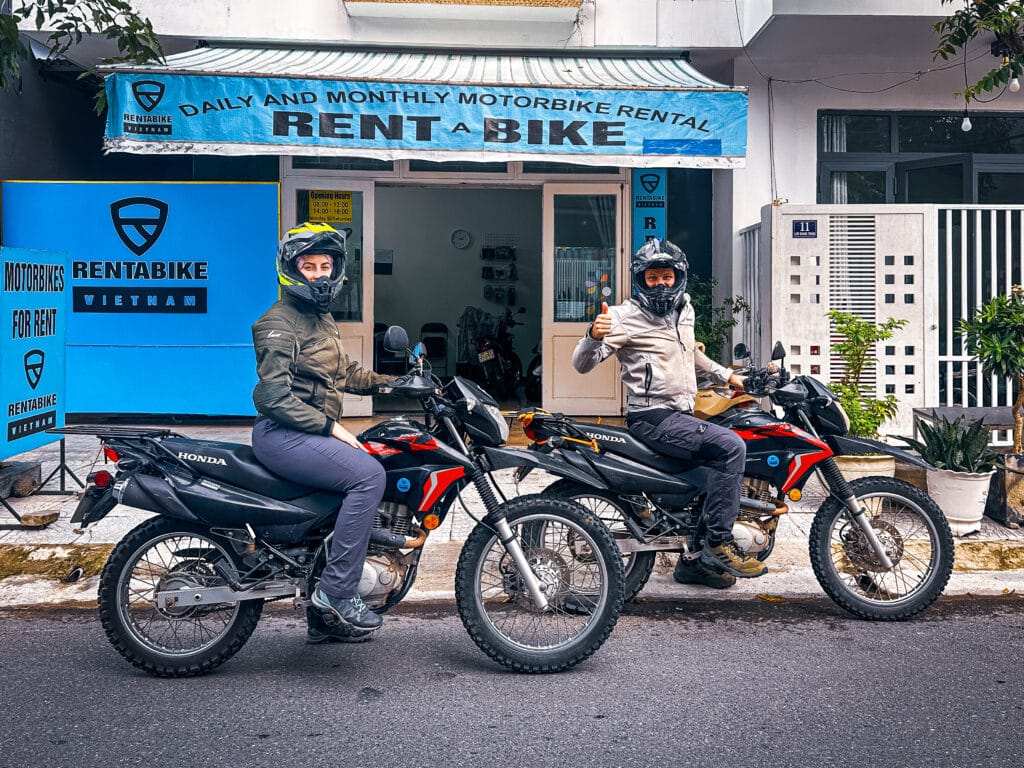
Live here? Ride like you own it. Our long-term expat rentals are made for those working or living in Vietnam.
✅ Cost-effective monthly rates
✅ Flexible contracts, full maintenance support
✅ Ride like a local: Hanoi, Danang, or Ho Chi Minh City
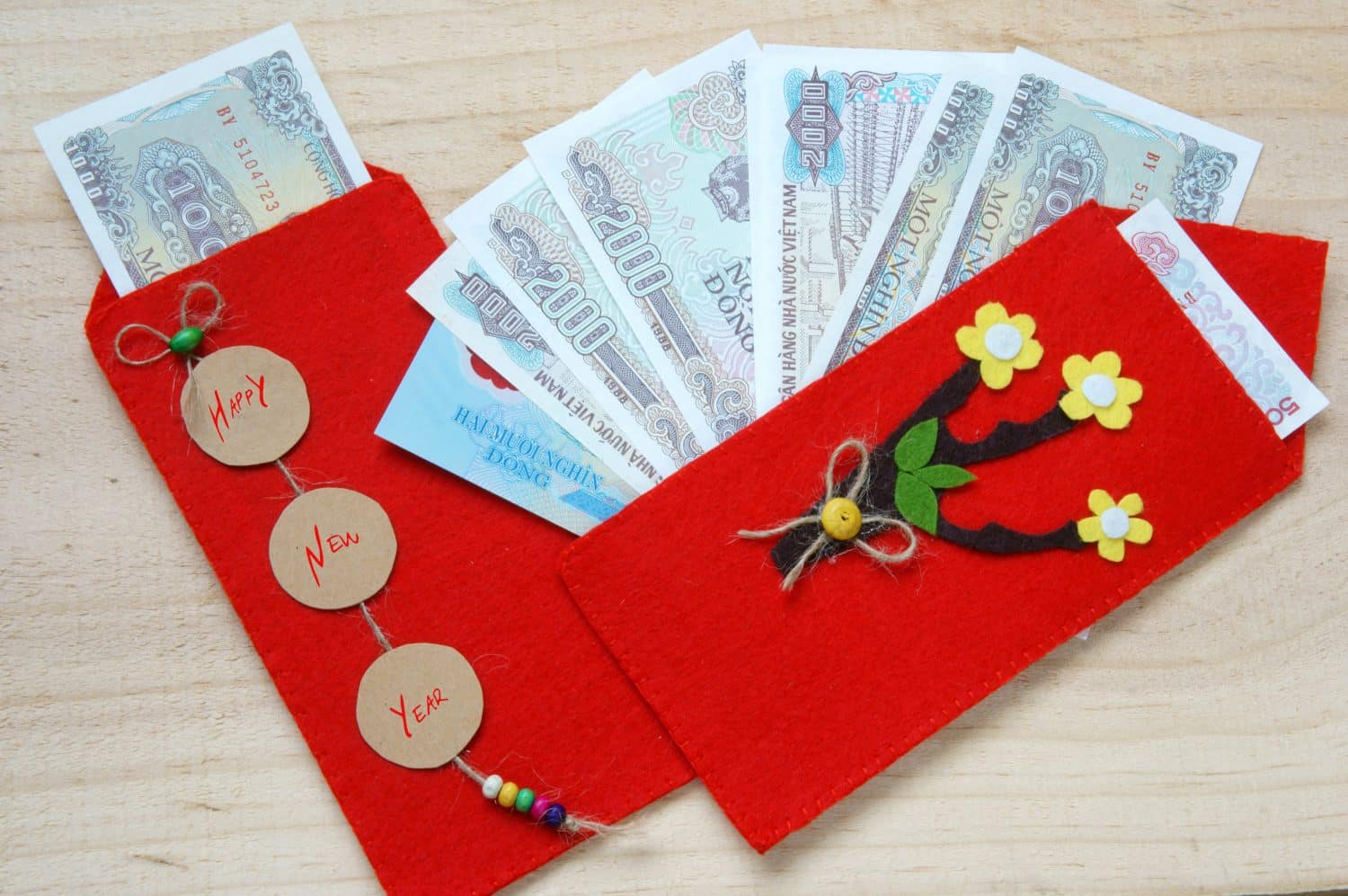
One of the biggest sources of anxiety for expats is knowing how much to put in the envelope. While it really is “the thought that counts,” here are some standard ranges to help you navigate the holiday.
| Who are they? | Suggested Amount (VND) | Notes |
|---|---|---|
| Close Friend’s Kids | 50,000 – 100,000 | The standard “lucky” amount. 2 x 50k |
| Family / Best Friends | 200,000 – 500,000 | For people you are very close to |
| Acquiantances’ Kids | 10,000 – 20,000 | Symbolic only (neighbours, distant relatives) |
| Security Guards / Cleaners | 50,000 – 100,000 | Symbolic only and not to be confused with 13th month salary |
| Elders (Grandparents) | 100,000 – 300,000 | Wishing the longevity and health |
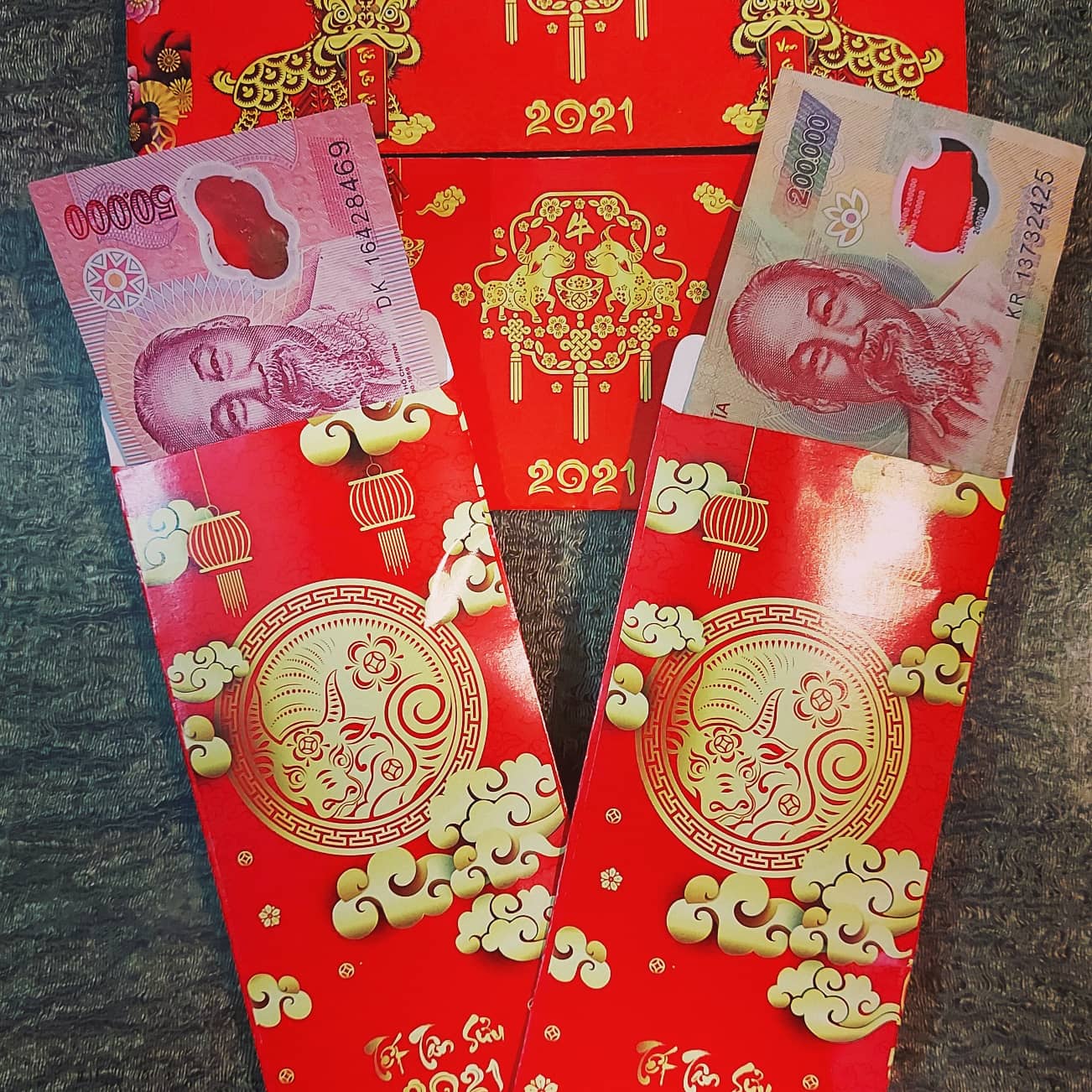
Note: 50,000 VND notes are often preferred because they are red—the color of luck!
Before you hand over the envelope, it is customary to offer a “Wish.” Here is how to say them:
Happy New Year:
Wishing you good health (Great for elders):
Money flowing in like water (Great for business owners):
Absolutely not! Vietnamese people generally love it when foreigners embrace their traditions. It is seen as a sign of warmth, respect, and integration into the local culture. Don’t worry about getting it “perfect”—the gesture itself is what matters.
It is highly recommended to use an envelope. Handing over loose cash is considered a bit crude and lacks the “lucky” symbolism of the red paper (which wards off evil spirits). Envelopes are sold on almost every street corner in January, so grab a pack!
Yes, giving a $2 bill (USD) is actually considered very lucky and unique! The $2 bill is rare and many Vietnamese people keep them in their wallets for good fortune. Just make sure the bill is crisp and not torn.
Yes, this is the standard reciprocity. If you are visiting a family with kids, it is wise to have a few pre-filled envelopes in your pocket just in case. If you are caught unprepared, you can simply apologize and give it to them next time you see them, but being prepared is better!
They are becoming popular, especially among Gen Z and friends who live far apart. Apps like MoMo or bank transfers even have special Tet themes. However, for children and elders, the physical act of handing over the red envelope with two hands is still the preferred and most respectful method.
While the days leading up to Tet are chaotic with traffic, the actual days of the holiday (The 1st, 2nd, and 3rd days of Lunar New Year) are magical. The cities empty out, and the streets of Hanoi and Ho Chi Minh City become quiet and peaceful.
It is a fantastic time to rent a motorbike and explore the city without the usual noise and congestion. However, there is one major risk you must be aware of.
⚠️ The “Happy Water” Warning During Tet ⚠️
Alcohol consumption increases significantly. “Happy water” (rice wine) and beer flow freely at every home.
Read more about dealing with traffic stops in our guide: [Police in Vietnam – 4 Useful Tips]
Rentals Closing Schedule: Please note: Our shop will be closed for the main holidays. If you want a bike for the break, please pick it up before 16th Feb, 2026.
Check out our [Monthly Expat Rentals]for a reliable bike
See our [Manual Bikes] for a Tet Adventure
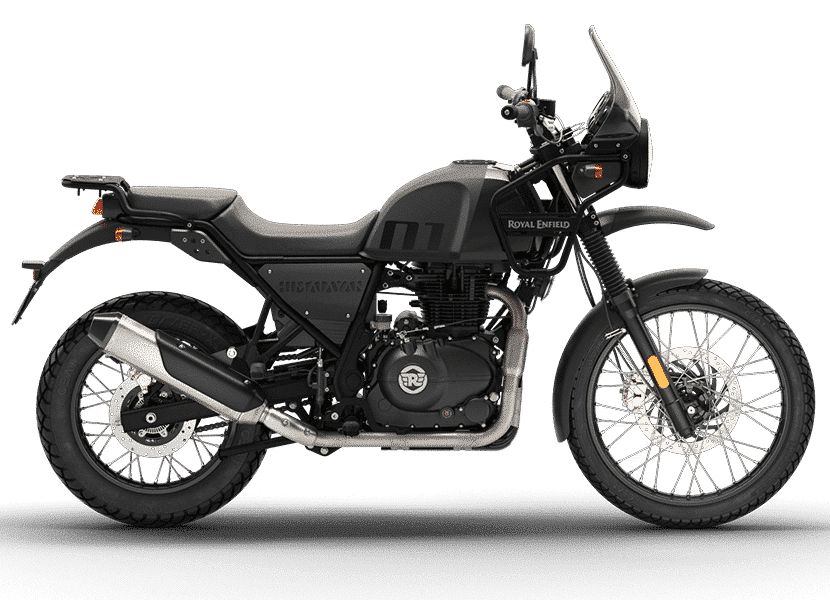
Engine Type
air-cooled, single cylinder, SOHC
Displacement
411 cc
Bore X Stroke
78 mm x 86 mm
Ignition
TCI
Fuel System
fuel injection
Compression Ratio
9.5:1
Starter
electric
Gearbox
5-speed
Front Suspension
telescopic forks; stanchion diameter 41 mm
Rear Suspension
linkage-type monoshock
Front Brakes
single disc brake, diameter 300 mm, 2-piston floating caliper
Rear Brakes
single disc brake, diameter 240 mm, single-piston floating caliper
Front Tyres
90/90 – 21
Rear Tyres
120/90 – 17
Wheelbase
1465 mm
Seat Height
800 mm
Ground Clearance
220 mm
Kerb Weight
199 kg
Fuel Capacity
15 litres
Dimensions
2190 mm (L) x 840 mm (W) x 1360 mm (H)
Daily
Total
Rider (CRF 300)
$220
Pillion
$120
Damage Waiver
$20
Private Room
$40
Support Vehicle*
$150
* All prices given are in USD and apply per rider except for the support vehicle. The support vehicle is free for groups of 7 or more, otherwise the cost is shared across the group.
Daily
Total
Rider (XR 150)
Rider (CRF 300)
Rider (CB 500X)
Rider (Himalayan 400)
$220
Rider (GS 1250)
Pillion
$120
Damage Waiver
$20
Private Room
$40
Support Vehicle*
$150
* All prices given are in USD and apply per rider except for the support vehicle. The support vehicle is free for groups of 7 or more, otherwise the cost is shared across the group.
Daily
Total
Jeep (1 PAX)
$210
Jeep (2 PAX)
$120
Jeep (3 PAX)
$90
Jeep (4+ PAX)
$80
Rider (Easy Rider)
$115
Rider (Self-Drive)
$105
Private Room
$15
* Our jeep tour prices operate on a sliding scale. The larger your group, the less each person pays—each member of your group will pay the lowest daily rate shown. For example, if you have a group of 4 or more, you will each only pay $80/day. All prices are given in USD.
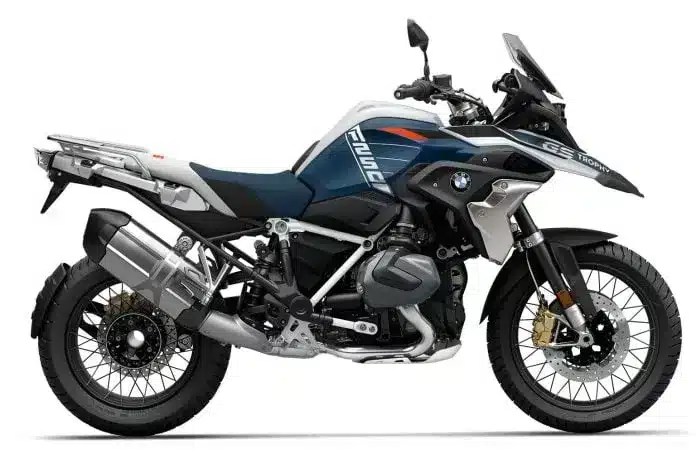
Engine Type
air-liquid cooled, twin cylinder, DOHC, boxer engine
Displacement
1255 cc
Bore X Stroke
102.5 mm x 76 mm
Ignition
FI
Fuel System
fuel injection
Compression Ratio
12.5:1
Starter
electric
Gearbox
6-speed
Front Suspension
BMW Motorrad Telelever; stanchion diameter 37 mm
Rear Suspension
single-sided swing arm with BMW Motorrad Paralever
Front Brakes
dual disc brake, floating brake discs, diameter 305 mm, 4-piston radial calipers
Rear Brakes
single disc brake, diameter 276 mm, double-piston floating caliper
Front Tyres
120/70 R19
Rear Tyres
170/60 R17
Wheelbase
1514 mm
Seat Height
850 mm
Ground Clearance
790 mm
Kerb Weight
249 kg
Fuel Capacity
20 litres
Dimensions
2207 mm (L) x 952.5mm (W) x 1430 mm (H)
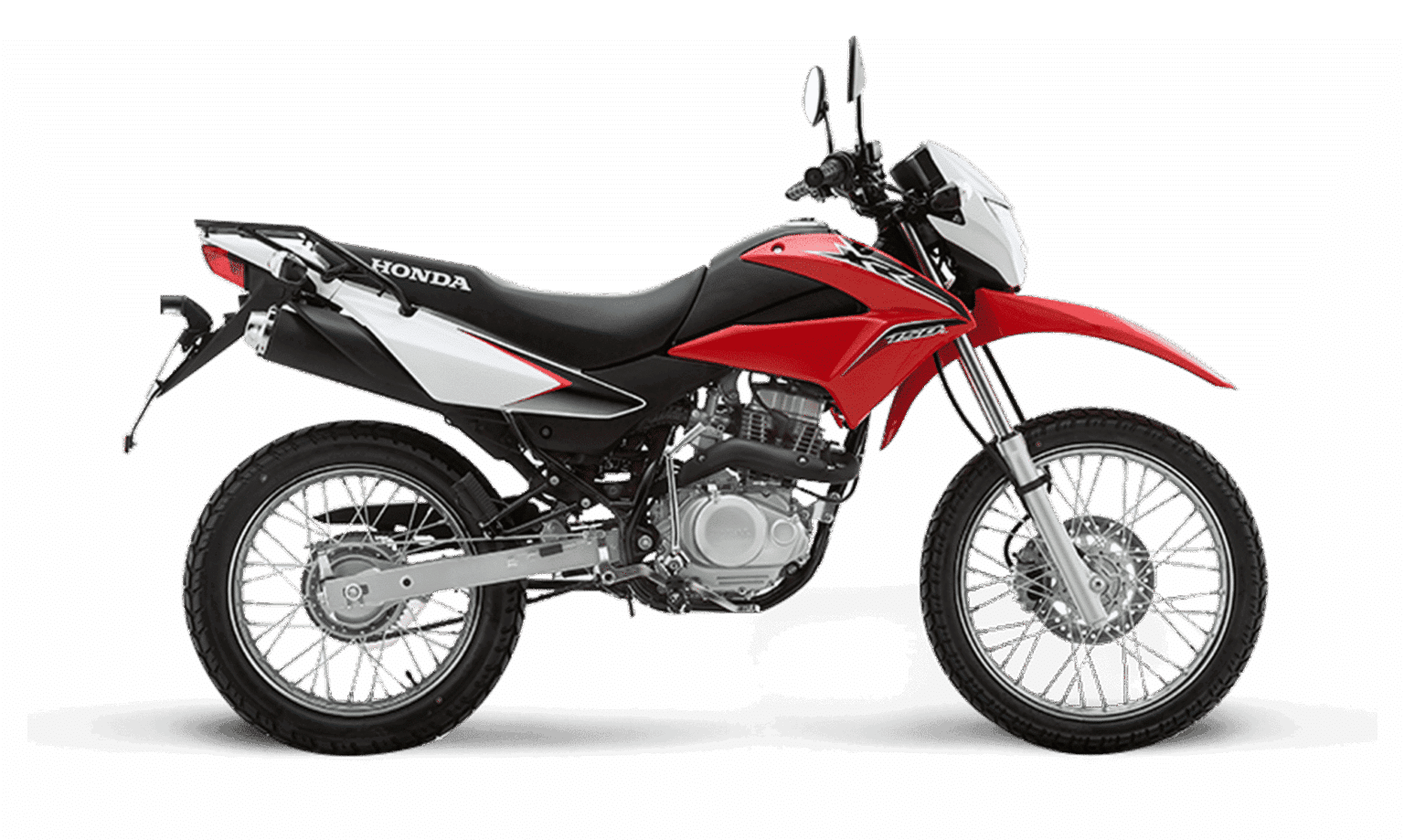
Engine Type
air cooled, OHC, single cylinder
Displacement
149 cc
Bore X Stroke
57.3 mm x 57.8 mm
Ignition
CDI
Fuel System
20 mm piston valve carburettor
Compression Ratio
9.5:1
Starter
electric with kick starter backup
Gearbox
5-speed
Front Suspension
telescopic fork, 180 mm axle travel
Rear Suspension
single shock swing arm, 150 mm axle travel
Front Brakes
dual piston caliper, 240 mm disc
Rear Brakes
mechanical drum
Front Tyres
90/90 19
Rear Tyres
110/90 17
Wheelbase
1362 mm
Seat Height
825 mm
Ground Clearance
243 mm
Kerb Weight
129 kg
Fuel Capacity
12 litres
Dimensions
2091 mm (L) x 811 mm (W) x 1125 mm (H)
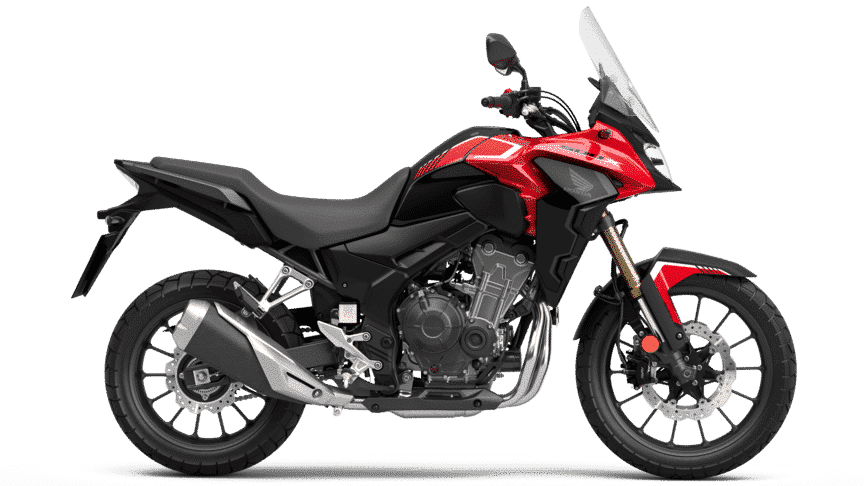
Engine Type
liquid cooled parallel-twin four stroke
Displacement
470 cc
Bore X Stroke
67 mm x 66.8 mm
Ignition
PGMI – FI
Fuel System
fuel injection
Compression Ratio
10.7:1
Starter
electric
Gearbox
6-speed
Front Suspension
41 mm SFF-BP USD Forks
Rear Suspension
Prolink Mono with 5 stage pre load adjuster
Front Brakes
dual 296 mm discs with 4 piston calipers; ABS
Rear Brakes
240 mm disc; ABS
Front Tyres
110/80R19M/C (59H)
Rear Tyres
160/60R17M/C
Wheelbase
1445 mm
Seat Height
830 mm
Ground Clearance
180 mm
Kerb Weight
199 kg
Fuel Capacity
17.7 litres
Dimensions
2,155 mm (L) x 830 mm (W) x 1,410 mm (H)
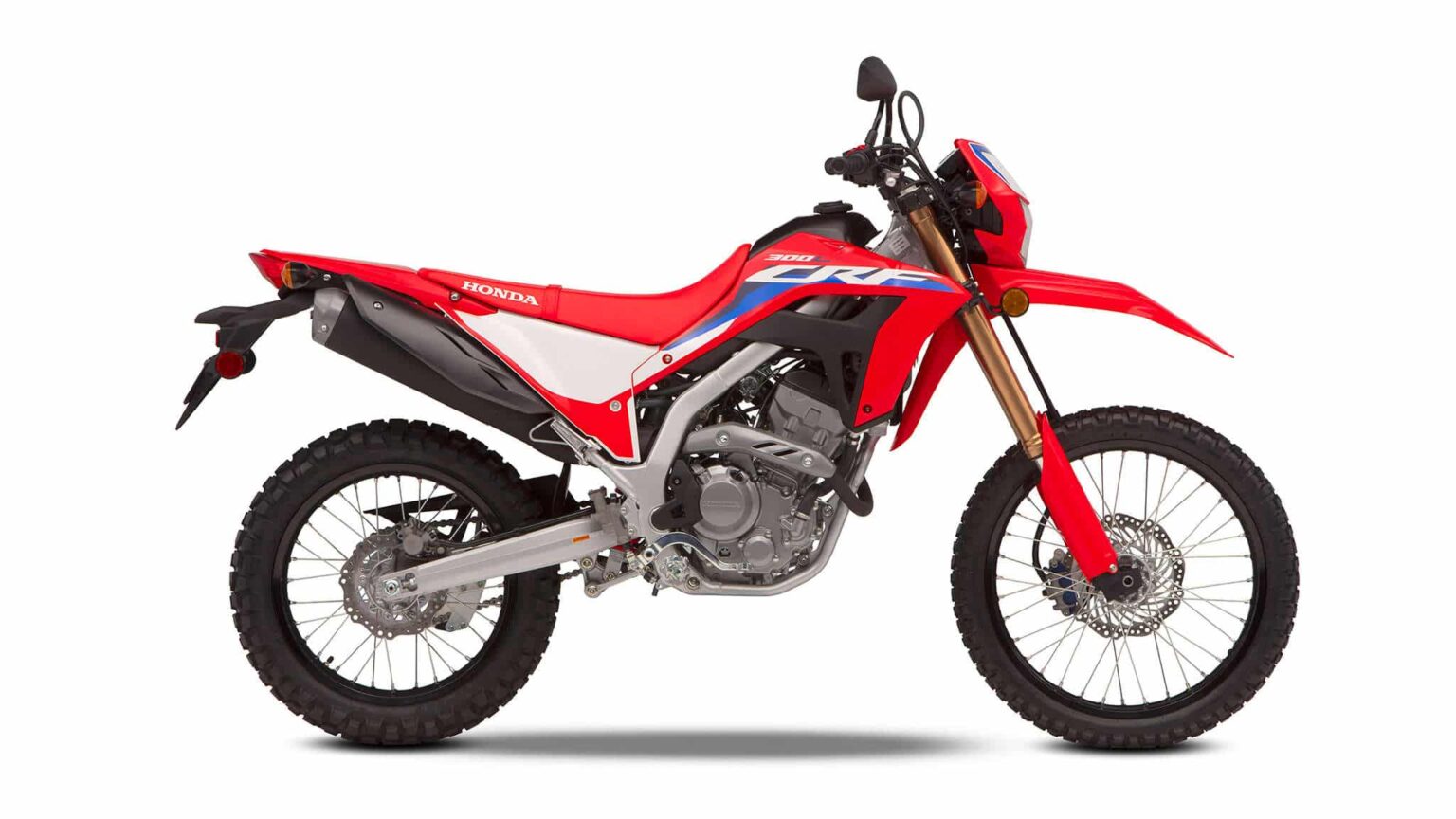
Engine Type
single cylinder, DOHC, liquid cooled
Displacement
286 cc
Bore X Stroke
76 mm x 63 mm
Ignition
Full Transistor Digital
Fuel System
PGM-FI electronic fuel injection
Compression Ratio
10.7:1
Starter
electric
Gearbox
5-speed
Front Suspension
43 mm telescopic upside down
Rear Suspension
Prolink Mono with 5 stage pre load adjuster
Front Brakes
Rear Brakes
220 mm disc, single piston caliper
Front Tyres
80/100 21
Rear Tyres
120/80 18
Wheelbase
1455 mm
Seat Height
880 mm
Ground Clearance
285 mm
Kerb Weight
142 kg
Fuel Capacity
7.8 litres
Dimensions
2230 mm (L) x 820 mm (W) x 1200 mm (H)