
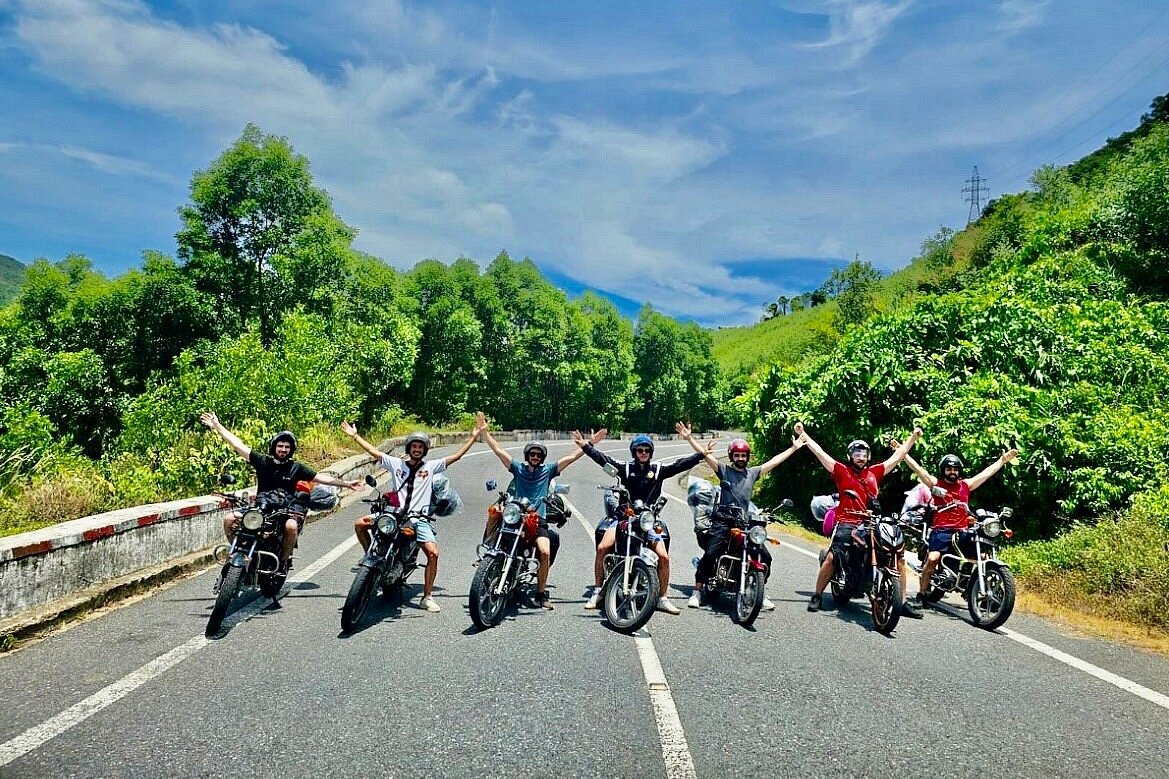
Riding a motorbike through Vietnam is a transformative experience, but sharing that road with friends or a guided tour group adds a layer of complexity. Whether you are navigating the chaotic urban flow of Hanoi or carving the limestone passes of Ha Giang, maintaining cohesion without compromising safety is a skill.
At Rentabike Vietnam, we cater to both solo adventurers and organized tours. We know that a group ride is only as good as its communication. This guide dives deep into the mechanics of moving as a unit, ensuring your crew arrives at the destination smiling, safe, and together.
Before a wheel turns, the group must be mentally aligned. In Vietnam, where road conditions change by the hour, the morning briefing is non-negotiable. It establishes the hierarchy and the expectations for the day.
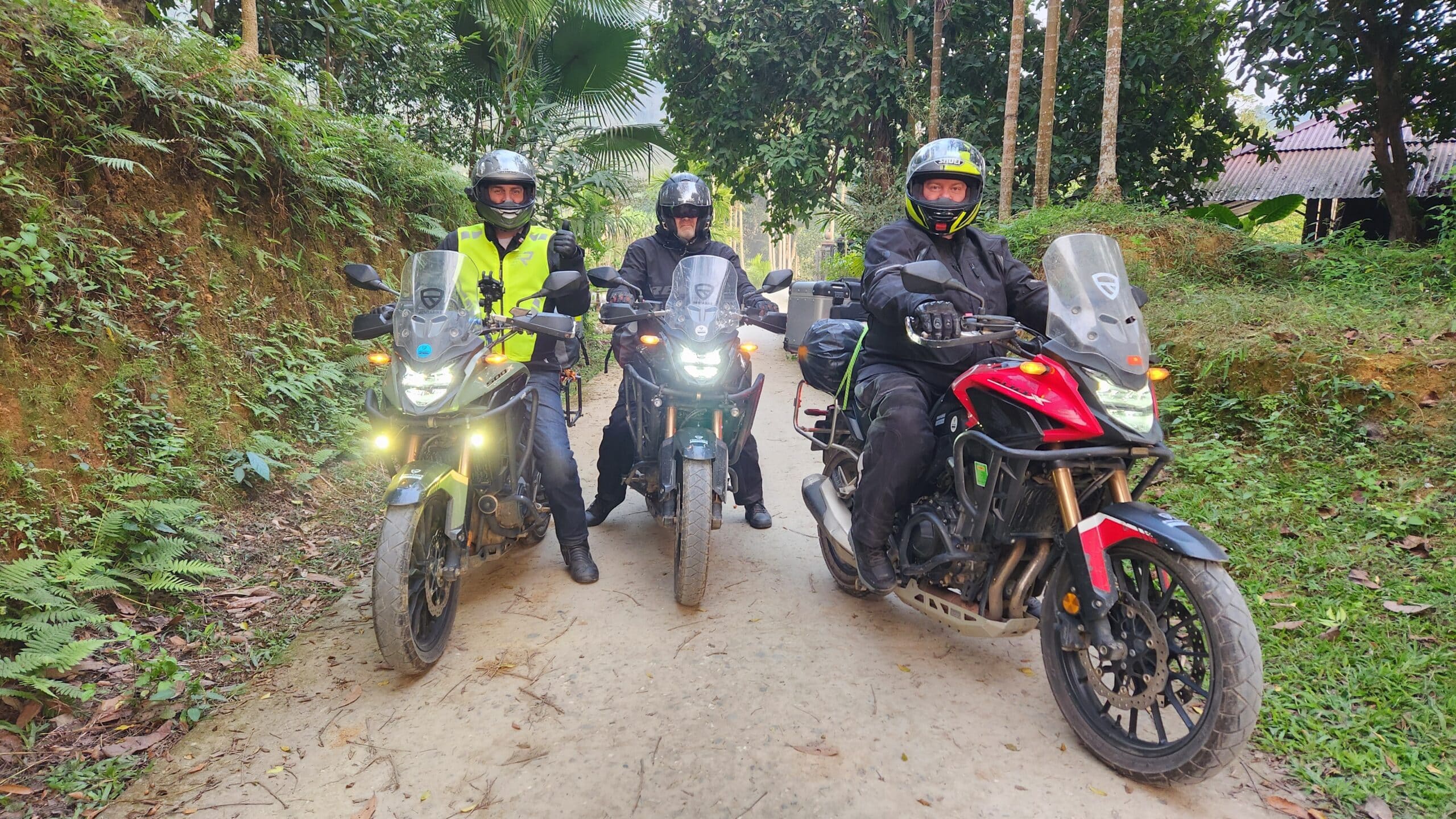
Riding in a tight formation looks good in movies, but on public roads, spacing is your lifeline. The formation you choose depends entirely on the environment.
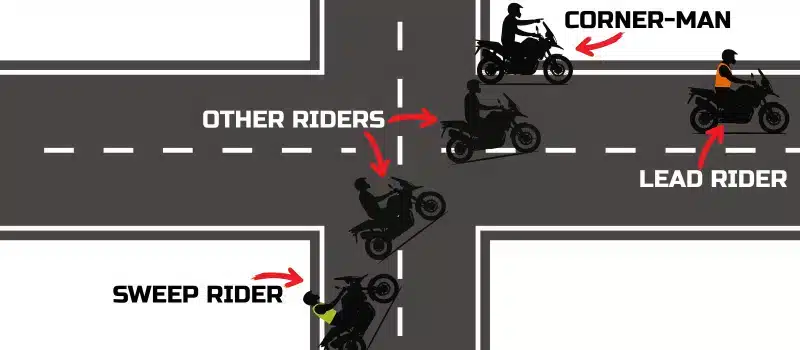
This is the gold standard for motorcycle logistics, used on all professional Rentabike Vietnam tours. It eliminates the anxiety of getting lost and allows riders to ride at their own pace.
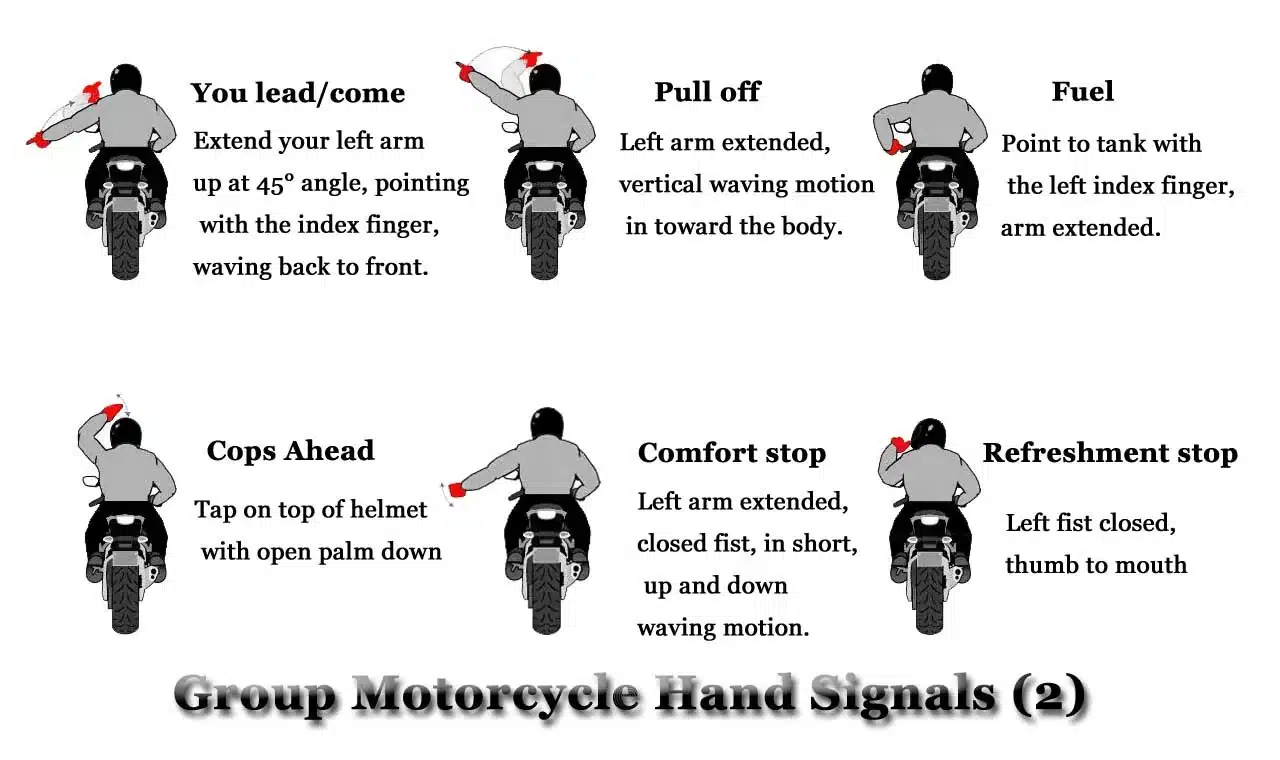
Bluetooth comms (Cardo/Sena) are fantastic, but batteries die and connections drop. Universal hand signals are the fail-safe language of the road.
Passing slower traffic (trucks, buses) is the most dangerous maneuver in group riding. It requires patience and individual judgment.
Yes, for our guided tours, we can arrange a support van to carry luggage, spare parts, and a mechanic, allowing you to ride unencumbered.
bsolutely. Many of our bikes (like the Honda CB500X or Himalayan) are suitable for two-up riding. We recommend upgrading to a larger displacement bike for passenger comfort on mountain routes. And, pillions pay less.
YES, DO NOT BELIEVE WAHT SOME COMPANIES TELL YOU. To ride legally in Vietnam and be covered by insurance, you must hold a valid motorcycle license from your home country and a 1968 Vienna Convention International Driving Permit (IDP).
RIDING IN A GROUP DOES NOT CHANGE THIS LAW.
To ensure safety and a personalized experience, we generally cap our guided tours at 10 bikes. For self-guided rentals, there is no limit, but we recommend splitting huge groups into smaller “sub-packs.”
We aim for a “quality over quantity” approach, usually averaging 150km–200km per day. This accounts for the slower average speeds in Vietnam and allows plenty of time for photos and coffee.
Riding a motorcycle in Vietnam is a symphony of chaos and beauty. Doing it with a group of friends amplifies the experience, provided you respect the rules of the formation. Whether you are on one of our fully guided premium tours or renting our XR150s for a self-guided expedition, applying these group riding principles ensures the only drama you experience is the landscape.
Check out our Premium Motorbike Fleet or book a Guided Tour today.
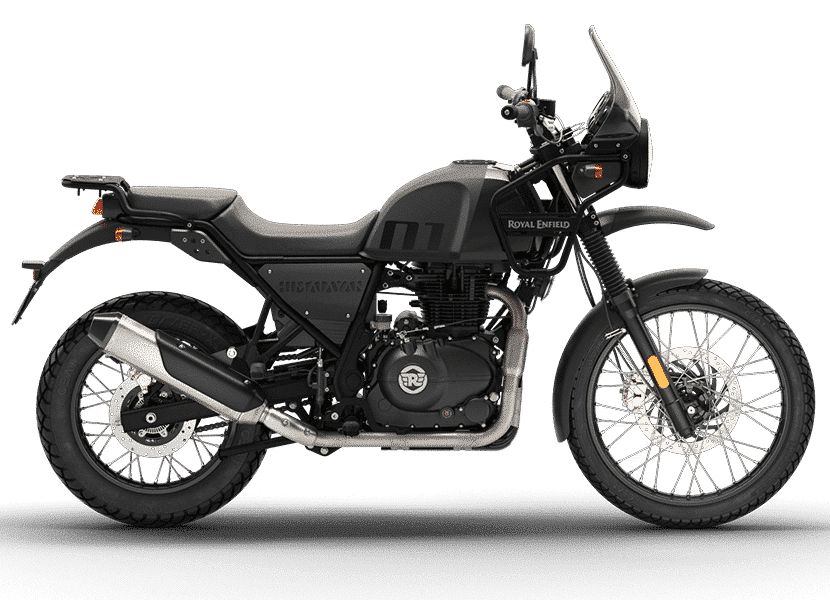
Engine Type
air-cooled, single cylinder, SOHC
Displacement
411 cc
Bore X Stroke
78 mm x 86 mm
Ignition
TCI
Fuel System
fuel injection
Compression Ratio
9.5:1
Starter
electric
Gearbox
5-speed
Front Suspension
telescopic forks; stanchion diameter 41 mm
Rear Suspension
linkage-type monoshock
Front Brakes
single disc brake, diameter 300 mm, 2-piston floating caliper
Rear Brakes
single disc brake, diameter 240 mm, single-piston floating caliper
Front Tyres
90/90 – 21
Rear Tyres
120/90 – 17
Wheelbase
1465 mm
Seat Height
800 mm
Ground Clearance
220 mm
Kerb Weight
199 kg
Fuel Capacity
15 litres
Dimensions
2190 mm (L) x 840 mm (W) x 1360 mm (H)
Daily
Total
Rider (CRF 300)
$220
Pillion
$120
Damage Waiver
$20
Private Room
$40
Support Vehicle*
$150
* All prices given are in USD and apply per rider except for the support vehicle. The support vehicle is free for groups of 7 or more, otherwise the cost is shared across the group.
Daily
Total
Rider (XR 150)
Rider (CRF 300)
Rider (CB 500X)
Rider (Himalayan 400)
$220
Rider (GS 1250)
Pillion
$120
Damage Waiver
$20
Private Room
$40
Support Vehicle*
$150
* All prices given are in USD and apply per rider except for the support vehicle. The support vehicle is free for groups of 7 or more, otherwise the cost is shared across the group.
Daily
Total
Jeep (1 PAX)
$210
Jeep (2 PAX)
$120
Jeep (3 PAX)
$90
Jeep (4+ PAX)
$80
Rider (Easy Rider)
$115
Rider (Self-Drive)
$105
Private Room
$15
* Our jeep tour prices operate on a sliding scale. The larger your group, the less each person pays—each member of your group will pay the lowest daily rate shown. For example, if you have a group of 4 or more, you will each only pay $80/day. All prices are given in USD.
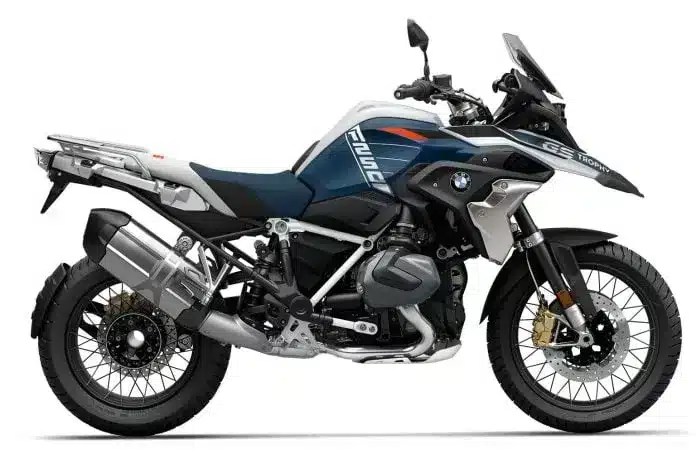
Engine Type
air-liquid cooled, twin cylinder, DOHC, boxer engine
Displacement
1255 cc
Bore X Stroke
102.5 mm x 76 mm
Ignition
FI
Fuel System
fuel injection
Compression Ratio
12.5:1
Starter
electric
Gearbox
6-speed
Front Suspension
BMW Motorrad Telelever; stanchion diameter 37 mm
Rear Suspension
single-sided swing arm with BMW Motorrad Paralever
Front Brakes
dual disc brake, floating brake discs, diameter 305 mm, 4-piston radial calipers
Rear Brakes
single disc brake, diameter 276 mm, double-piston floating caliper
Front Tyres
120/70 R19
Rear Tyres
170/60 R17
Wheelbase
1514 mm
Seat Height
850 mm
Ground Clearance
790 mm
Kerb Weight
249 kg
Fuel Capacity
20 litres
Dimensions
2207 mm (L) x 952.5mm (W) x 1430 mm (H)
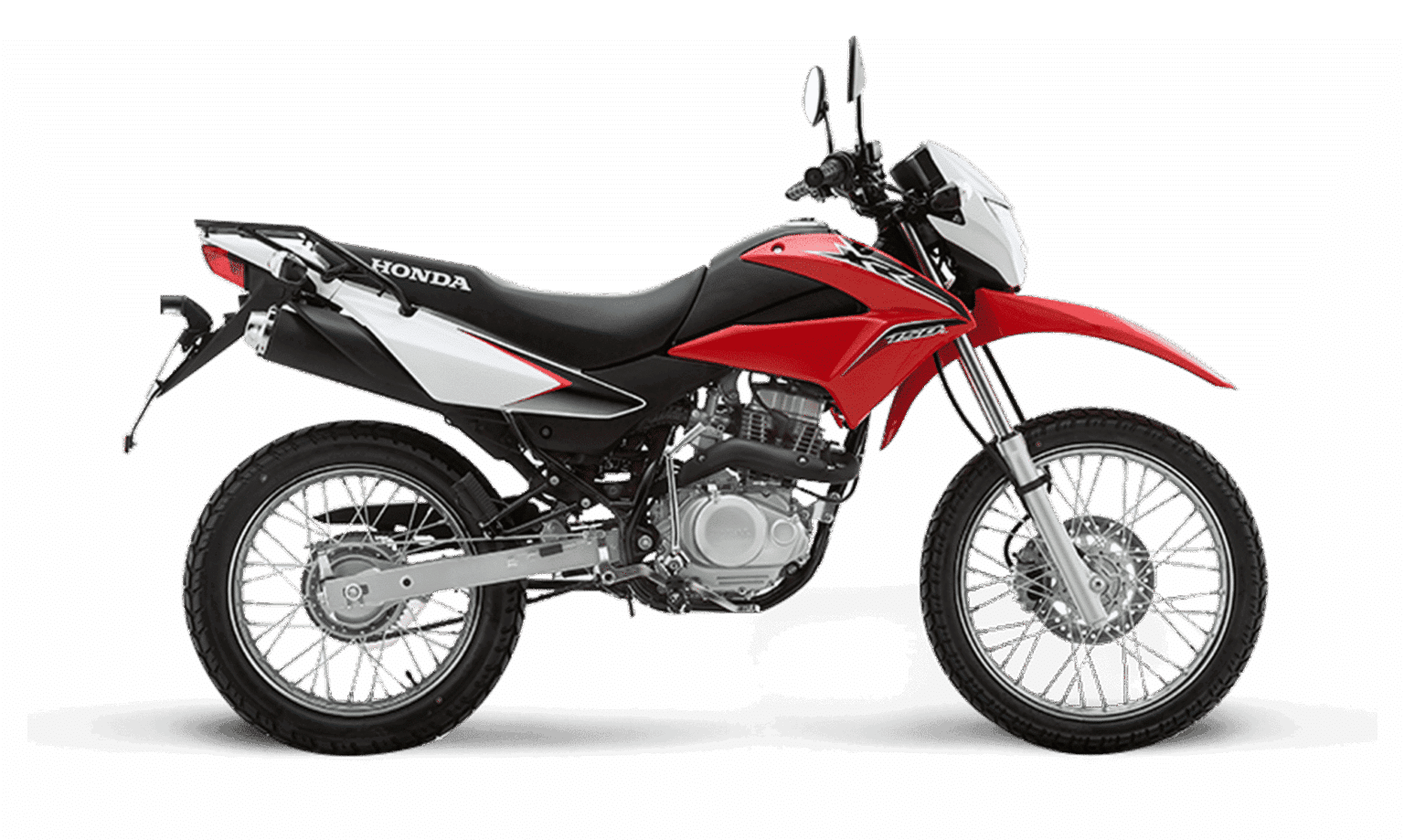
Engine Type
air cooled, OHC, single cylinder
Displacement
149 cc
Bore X Stroke
57.3 mm x 57.8 mm
Ignition
CDI
Fuel System
20 mm piston valve carburettor
Compression Ratio
9.5:1
Starter
electric with kick starter backup
Gearbox
5-speed
Front Suspension
telescopic fork, 180 mm axle travel
Rear Suspension
single shock swing arm, 150 mm axle travel
Front Brakes
dual piston caliper, 240 mm disc
Rear Brakes
mechanical drum
Front Tyres
90/90 19
Rear Tyres
110/90 17
Wheelbase
1362 mm
Seat Height
825 mm
Ground Clearance
243 mm
Kerb Weight
129 kg
Fuel Capacity
12 litres
Dimensions
2091 mm (L) x 811 mm (W) x 1125 mm (H)
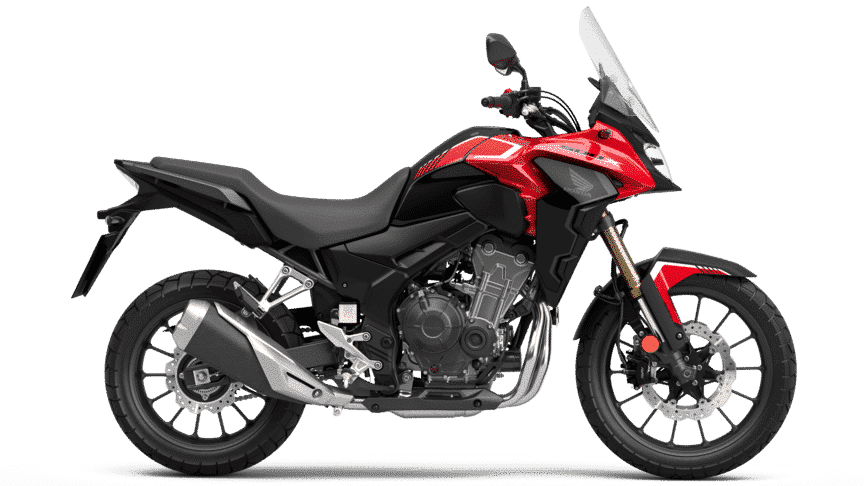
Engine Type
liquid cooled parallel-twin four stroke
Displacement
470 cc
Bore X Stroke
67 mm x 66.8 mm
Ignition
PGMI – FI
Fuel System
fuel injection
Compression Ratio
10.7:1
Starter
electric
Gearbox
6-speed
Front Suspension
41 mm SFF-BP USD Forks
Rear Suspension
Prolink Mono with 5 stage pre load adjuster
Front Brakes
dual 296 mm discs with 4 piston calipers; ABS
Rear Brakes
240 mm disc; ABS
Front Tyres
110/80R19M/C (59H)
Rear Tyres
160/60R17M/C
Wheelbase
1445 mm
Seat Height
830 mm
Ground Clearance
180 mm
Kerb Weight
199 kg
Fuel Capacity
17.7 litres
Dimensions
2,155 mm (L) x 830 mm (W) x 1,410 mm (H)
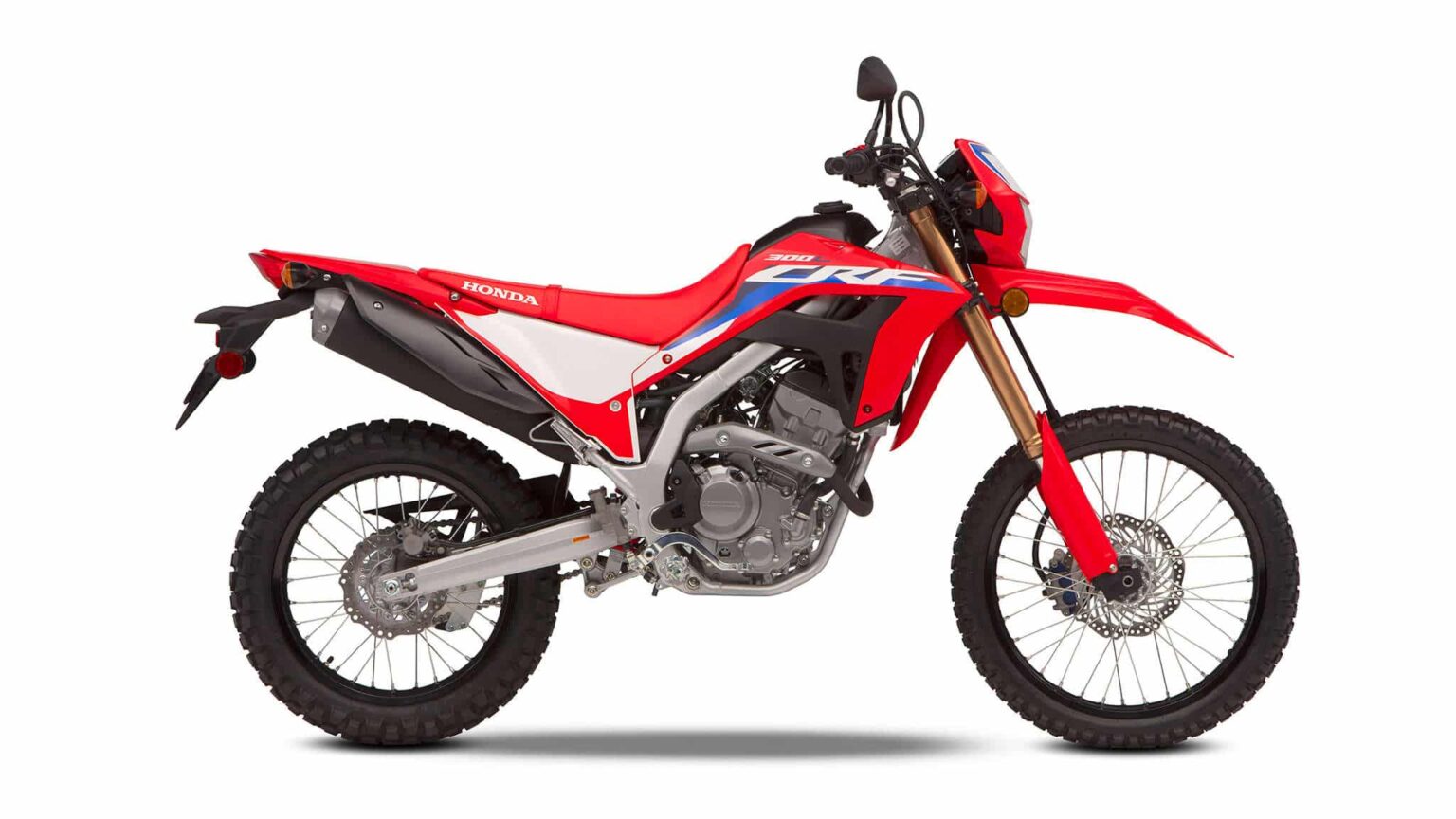
Engine Type
single cylinder, DOHC, liquid cooled
Displacement
286 cc
Bore X Stroke
76 mm x 63 mm
Ignition
Full Transistor Digital
Fuel System
PGM-FI electronic fuel injection
Compression Ratio
10.7:1
Starter
electric
Gearbox
5-speed
Front Suspension
43 mm telescopic upside down
Rear Suspension
Prolink Mono with 5 stage pre load adjuster
Front Brakes
Rear Brakes
220 mm disc, single piston caliper
Front Tyres
80/100 21
Rear Tyres
120/80 18
Wheelbase
1455 mm
Seat Height
880 mm
Ground Clearance
285 mm
Kerb Weight
142 kg
Fuel Capacity
7.8 litres
Dimensions
2230 mm (L) x 820 mm (W) x 1200 mm (H)